

Minimally Invasive Glaucoma Surgery

Procedure duration
30 minutes

Functional result last lifelong

Recovery
5 Days

Glaucoma refers to the progressive destruction of vision nerve fibres that transmit signals to the vision processing centre of the brain. These nerve fibres are very sensitive to the pressure and blood supply within the eye. If both the eye pressure and blood supply are poorly regulated, these vital nerve fibres gradually die off, leading to permanent loss of vision.


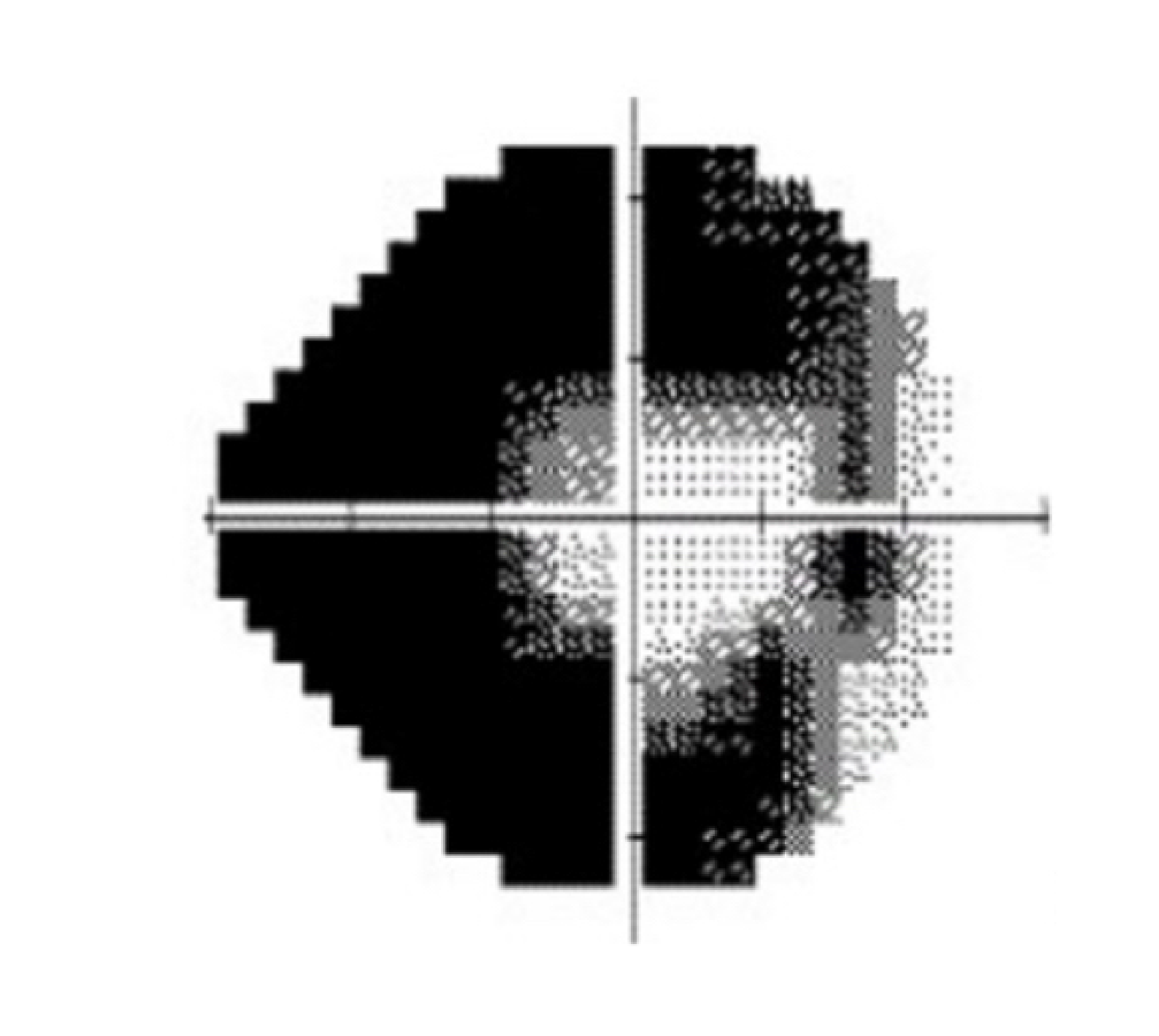
The brain often fails to recognise that peripheral patches of vision are missing until the damage from glaucoma is significant. Although glaucoma is not curable, and vision already lost cannot be regained, it can be managed adequately to prevent any further vision loss or blindness.

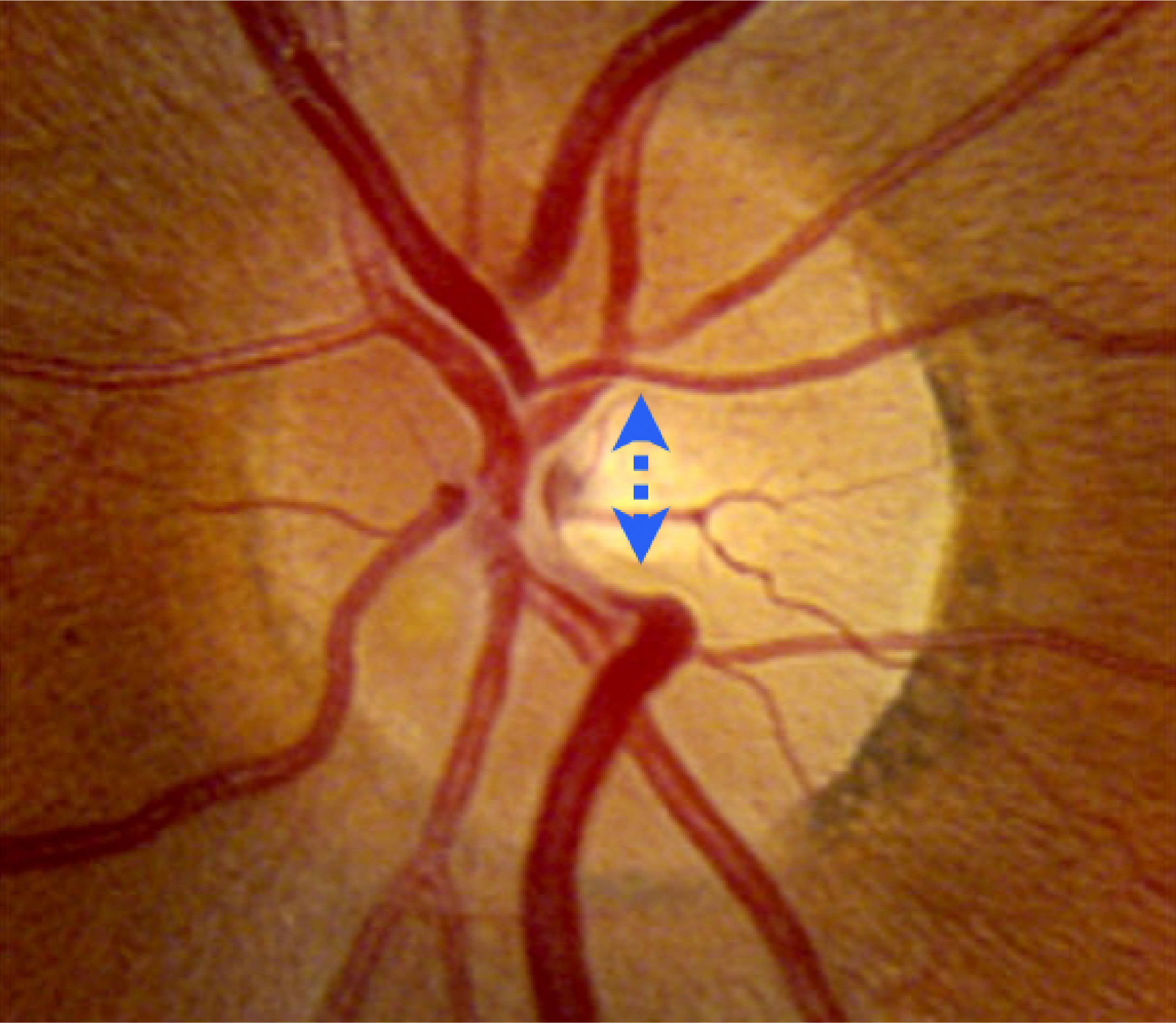
Healthy Optic (eye) nerve

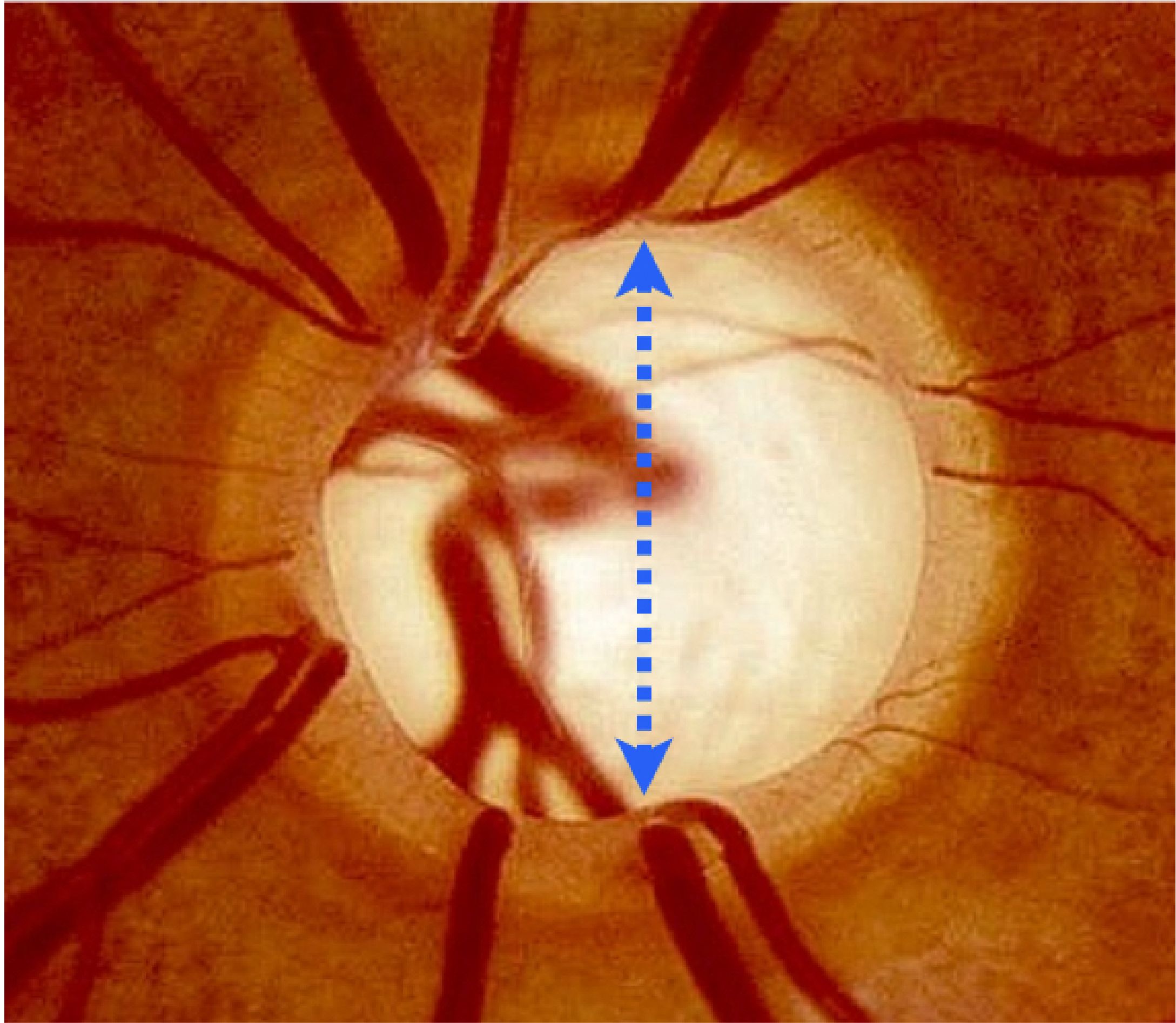
Glaucoma (advanced) showing wide Optic (eye) nerve destruction

The best way to protect your sight from glaucoma is to have a comprehensive assessment/screening by an ophthalmologist. Dr. Djan will perform specialised tests to assess if there is glaucoma present, and if so, gauge the magnitude of the disorder.


Testing includes Visual filed assessment, Optic nerve fibre digital scans and photographic analysis, as well as eye pressure & structural assessment. If you have glaucoma, treatment can begin immediately to preserve your vision. It is a chronic condition that must be monitored for life.

Since glaucoma is largely a symptomless disorder, it is recommended that individuals with the following risk factors have a baseline glaucoma screening:


▪ A Family history of glaucoma.
▪ Ethnic groups (African, Malay).
▪ Very far-sighted (hyperopia) people.
▪ High eye pressures.
▪ Age > 40 years.
▪ Disorders that cause poor blood circulation – Diabetes, High blood pressure.

Glaucoma is a ‘silent’ disorder that usually has little to no symptoms until in the very late stages. Open-angle glaucoma may present with haloes (rings around lights), blurred vision & peripheral patches of vision loss. In contrast, acute Angle-closure glaucoma may present with severe eye pain, redness, blurred vision, nausea and vomiting.

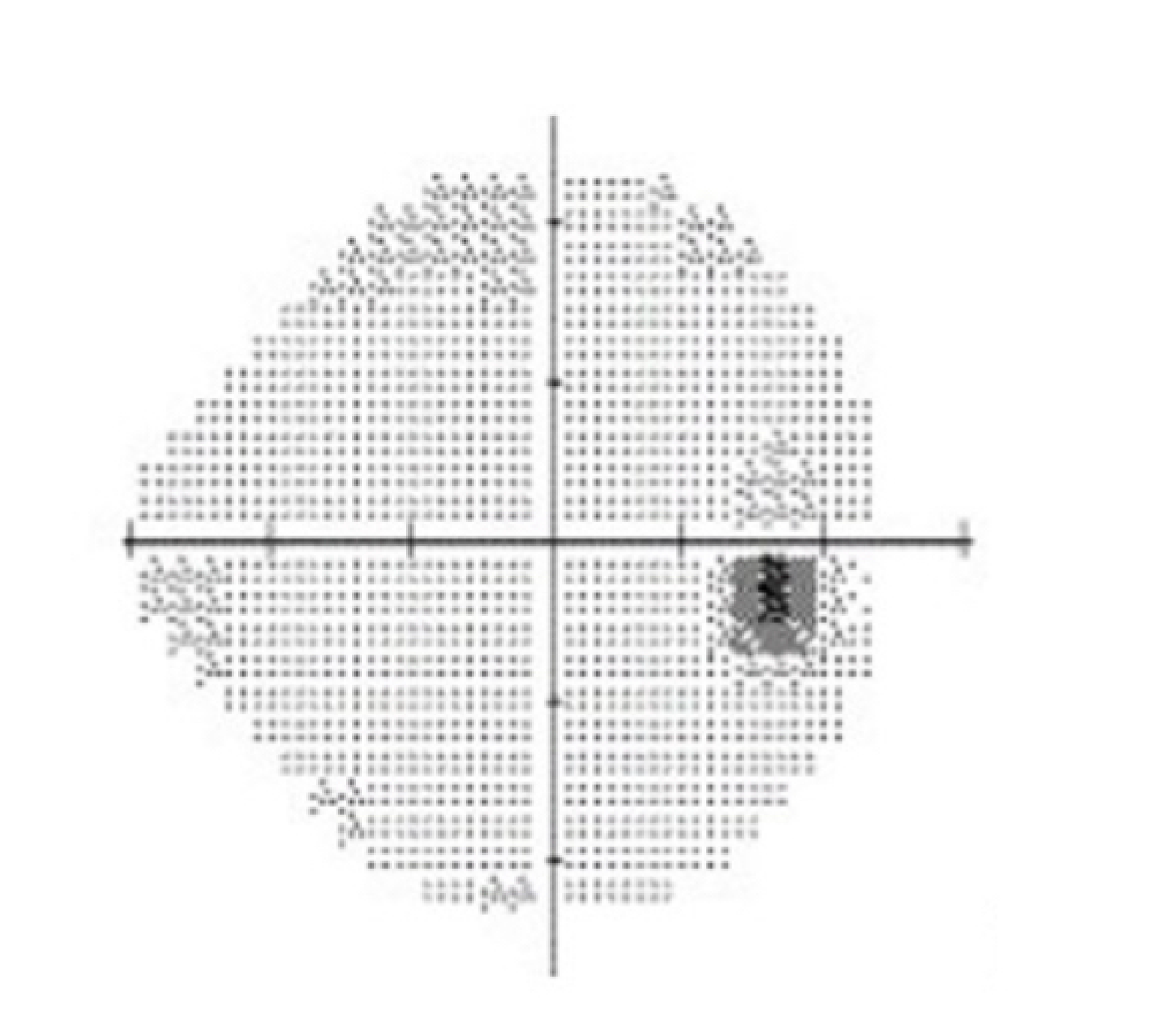
The Visual Field of a healthy eye

Severe Visual Field loss in an eye with Glaucoma

The fluid (aqueous) drainage channels of the eye are collectively called the trabecular meshwork. The meshwork regulates the outflow of fluid and therefore the pressure within the eye. The 2 main types of glaucoma reference the integrity of this meshwork:


▪ Open-angle glaucoma occurs when the fluid (aqueous) drainage meshwork of the eye is restricted/compromised. The pressure inside the eye may be normal or elevated. Symptoms of open-angle glaucoma are usually non-existent or subtle (haloes around lights, blurred vision or peripheral patches of vision loss).
▪ Angle-closure glaucoma/Narrow-angle glaucoma occurs when access to the fluid (aqueous) drainage meshwork of the eye is restricted/sealed off. The eye pressure is usually significantly elevated. Symptoms of acute-angle closure glaucoma

include severe eye pain, redness, blurred vision, haloes, nausea and vomiting.
It is important to remember that although there is no cure for glaucoma, there are several effective glaucoma treatments for preventing any further loss of vision. The appropriate treatment depends on individual factors that Dr. Djan will discuss with you during your consultation with specialised diagnostic tests. These factors include how high the eye pressure is, the magnitude of vision loss, the critical health of the nerve fibres (optic nerve) and the type of glaucoma you have. The armamentarium of treatment options for glaucoma includes:


▪ Selective Laser Trabeculoplasty (SLT).
▪ Laser Peripheral Iridotomy (LPI).
▪ Medicated eye drops and/or tablets.
▪ Minimally-Invasive Glaucoma Surgery (PRESERFLO™ MicroShunt & XEN gel implants).

SLT is a laser procedure that is designed to lower the eye pressure in patients diagnosed with Open-angle glaucoma. It is a painless, office-based procedure that is performed in approximately 8 minutes. During SLT, laser energy is applied to the outflow drainage meshwork of the eye, stimulating it to increase drainage, resulting in a desirably lower eye pressure.

SLT is a highly effective, non-invasive, painless method of lowering eye pressures in about 80% of people with open-angle glaucoma. SLT can be used as a standalone treatment or can be used in combination with anti-glaucoma medication and/or glaucoma surgery. Although the effects of a successful SLT session are temporary (lasting approximately 3 years), it can be repeated multiple times to achieve similar eye pressure lowering effects (an eye pressure drop of 20-30% is considered a success).

SLT is performed in the office with the session lasting approximately 4 minutes per eye. A set of eye drops are instilled in the eye/s receiving SLT 30 minutes prior. These eye drops numb the eye and curbs any eye pressure spikes with the procedure.


SLT is performed with you seated upright with your chin & forehead perched on the laser platform. Dr. Djan will then place a special lens-gel interface onto the eye which keeps it open and steady and guides the laser onto the outflow drainage meshwork. You are still able to blink normally during the SLT and this does not interfere with the procedure. As the laser is delivered, you will be able to see small flashes of light accompanied by soft clicking sounds. The procedure is effectively painless.

SLT is a non-invasive procedure and one is able to return to your usual activities approximately an hour after the procedure. Mild eye inflammation (characterised by light sensitivity/grittiness/blurred vision) is uncommon, but may be present for a few hours thereafter. Dr. Djan may prescribe an anti-inflammatory eye drop in such cases which resolves shortly thereafter.

All medical procedures have inherent risks. SLT is a very safe procedure. Some of the minor effects encountered may be eye inflammation (characterised by light sensitivity) or a transient elevation of eye pressures. These are both simply managed with anti-inflammatory and anti-glaucoma eye drops, respectively.

Dr. Djan will confirm if you still need to continue your glaucoma medication after SLT. This will depend on various factors such as how optimised your eye pressure is and the critical health of the nerve fibres (optic nerve). In ideal cases, the amount/ frequency of the eye drops that you were using may be reduced or withdrawn.

No. It is important to remember that there is no cure for glaucoma. SLT is only one of the several effective glaucoma treatments for preventing any further loss of vision and preserving your current vision capacity.

LPI is a laser procedure that is designed to lower the eye pressure in patients diagnosed with Closed-angle glaucoma or Narrow-angle glaucoma. It is a virtually painless, office-based process that is performed in approximately 8 minutes. During LPI, laser energy is applied to the iris (coloured part of the eye that surrounds the dark pupil) to create a small opening that restores the free flow and drainage of fluid (aqueous) within the eye, yielding desirably lower eye pressures.

LPI is a highly effective, virtually painless method of optimising eye pressures in people with Closed-angle glaucoma or
Narrow-angle glaucoma. LPI can be used as a standalone treatment or can be used in combination with anti-glaucoma
medication and/or glaucoma surgery if required.

LPI is performed in the office with the session lasting approximately 4 minutes per eye. A series of eye drops are instilled in the eye/s receiving LPI 30 minutes prior. These eye drops numb the eye, make the iris taught and curbs any eye pressure spikes with the procedure. LPI is performed with you seated upright with your chin & forehead perched on the laser platform.


Dr. Djan will then place a special lens-gel interface onto the eye which keeps it open and steady and guides the laser onto the iris. You are still able to blink during the LPI and this does not interfere with the procedure. As the laser is delivered, you will be able to see small flashes of light accompanied by low clicking sounds. The procedure is virtually painless.

LPI is a non-invasive procedure and one is able to return to your usual activities approximately an hour after the procedure. Mild eye inflammation (characterised by light sensitivity/grittiness/blurred vision) is uncommon, but may be present for a few hours thereafter. Dr. Djan may prescribe an anti-inflammatory eye drop in such cases which resolves shortly thereafter.

All medical procedures have inherent risks. LPI is a very safe procedure. Some of the minor effects encountered may be eye inflammation (characterised by light sensitivity/grittiness/blurred vision) or a transient elevation of eye pressures.


These are both simply managed with anti-inflammatory and anti-glaucoma eye drops, respectively. In certain cases, the opening created by the laser may seal up. In this case, the LPI can be repeated in a separate session to re-establish an iris opening.

Dr. Djan will confirm if you still need to continue your glaucoma medication after LPI. This will ultimately depend on various factors such as how optimised your eye pressure is and the critical health of the nerve fibres (optic nerve). In ideal cases, the amount/frequency of the eye drops that you were using may be reduced or withdrawn

No. It is important to remember that there is no cure for glaucoma. LPI is only one of the several effective glaucoma treatments for preventing any further loss of vision and preserving your current vision capacity.

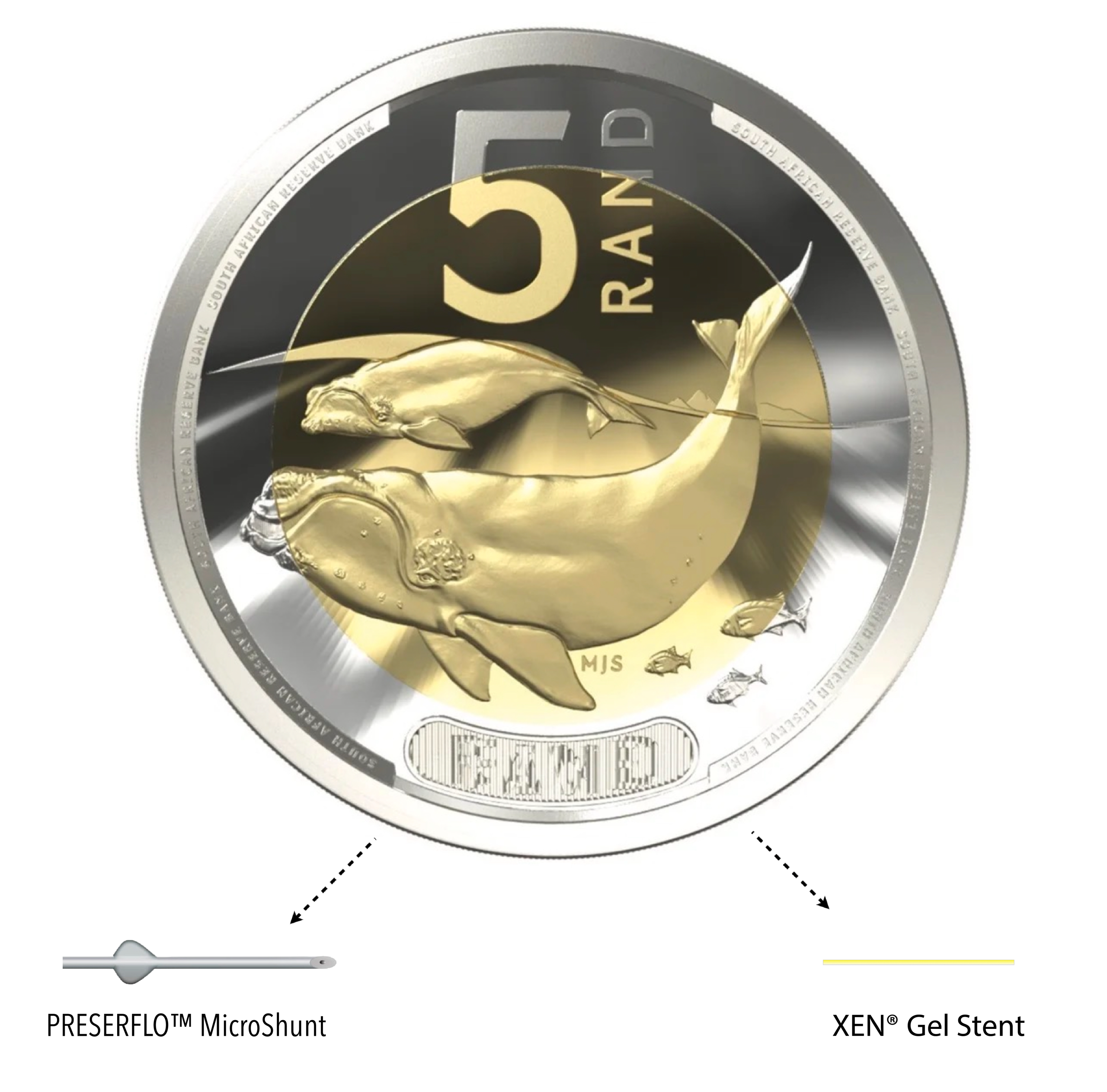
Minimally-Invasive Glaucoma Surgery (MIGS) implants shown to scale

Minimally-Invasive Glaucoma Surgery refers to a group of advanced surgical devices that all create alternative outflow pathways for eye fluid (aqueous) to counter high eye pressures. These advanced implants act as miniature pressure-valves that self-regulates the eye pressures.


▪PRESERFLO™ MicroShunt.
▪XEN® Gel Stent.

Although Minimally-Invasive Glaucoma Surgery (PRESERFLO™ MicroShunt & XEN® Gel Stent) is performed in a surgical theatre, it is less invasive and quicker to perform than traditional Glaucoma Filtration Surgery. The small imprint-large impact appeal of this procedure has therefore catapulted it to the forefront of glaucoma therapies.

Minimally-Invasive Glaucoma Surgery (PRESERFLO™ MicroShunt & XEN® Gel Stent) usually takes 20-30 minutes to complete in an operating theatre under local anaesthesia with light sedation. It is performed as a day procedure and does not require hospital admission/an overnight stay. It may also be performed as a standalone case or combined with other surgery (e.g. Cataract refractive surgery).


Powerful operating microscopes are used to visualise and insert a microscopic implant inside the eye (PRESERFLO™ MicroShunt or XEN® Gel Stent). The implant essentially diverts fluid (aqueous) from inside the eye to the space above the scleral layer (the ‘white’ layer of the eye). This diverted fluid is then reabsorbed by the body. A protective plastic shield is placed over the eye for the first few nights to protect the eye whilst up you sleep.

Individuals having Minimally-Invasive Glaucoma Surgery (PRESERFLO™ MicroShunt & XEN® Gel Stent) are usually able to return to their usual activities 2-3 days after surgery.

All medical procedures have inherent risks. Although Minimally-Invasive Glaucoma Surgery (PRESERFLO™ MicroShunt & XEN® Gel Stent) is a safe procedure, some of the uncommon risks may include blurred vision, light-sensitivity, infection, bleeding or failure to reduce the eye pressure adequately.

Dr. Djan will confirm if you still need to continue your glaucoma medication after Minimally-Invasive Glaucoma Surgery (PRESERFLO™ MicroShunt & XEN® Gel Stent). This will ultimately depend on various factors such as how optimised your eye pressure is after surgery and the critical health of the nerve fibres (optic nerve). In ideal cases, the amount/frequency of the eye drops that you were using may be reduced or withdrawn.

No. It is important to remember that there is no cure for glaucoma. Minimally-Invasive Glaucoma Surgery (PRESERFLO™ MicroShunt & XEN® Gel Stent) is only one of the several effective glaucoma treatments for preventing any further loss of vision and preserving your current vision capacity.

No. It is important to remember that there is no cure for glaucoma. Minimally-Invasive Glaucoma Surgery (PRESERFLO™ MicroShunt & XEN® Gel Stent) is only one of the several effective glaucoma treatments for preventing any further loss of vision and preserving your current vision capacity.

Yes. Don’t allow costs to limit your eye health and aesthetic appearance. Tailored Finance options are available to suit your individual needs.