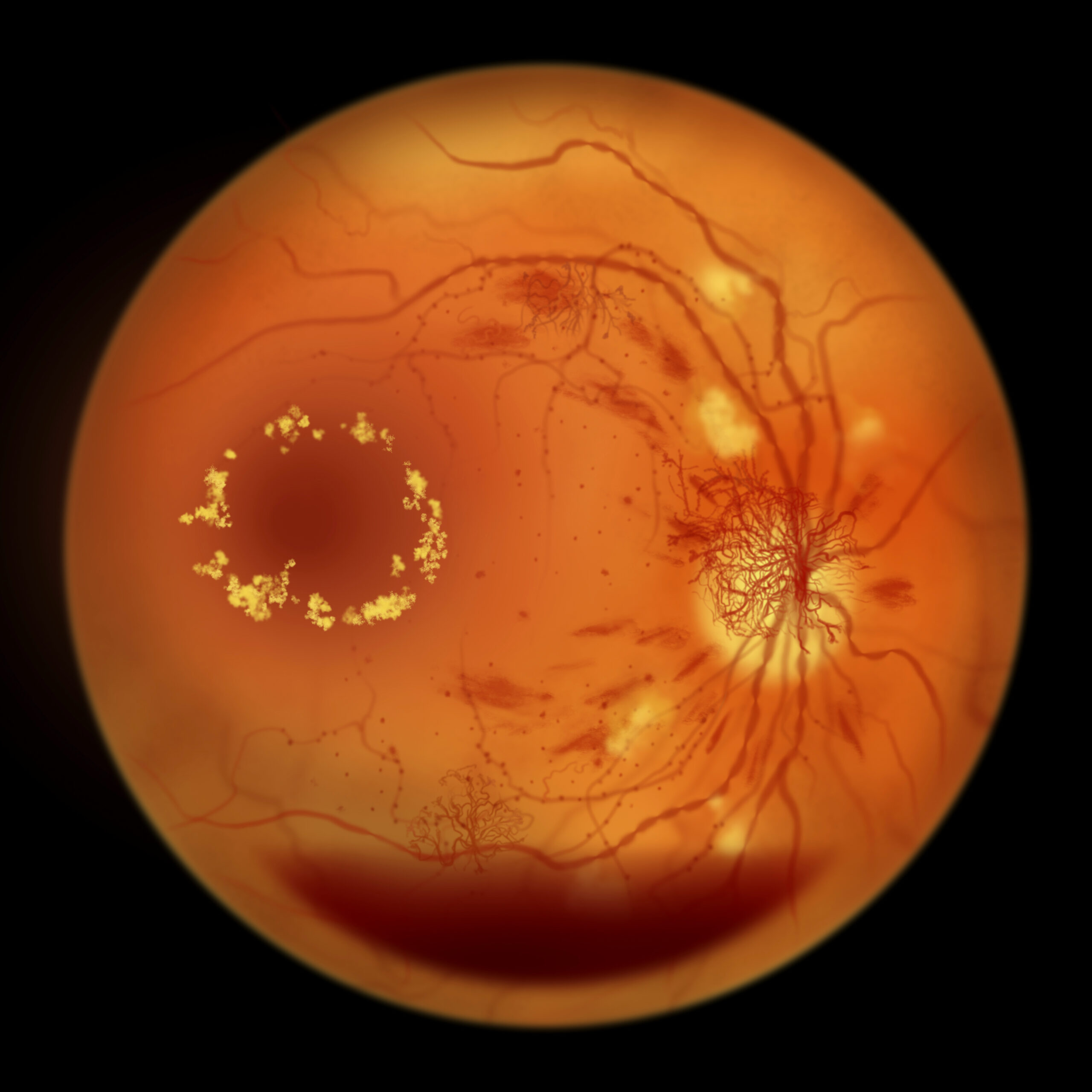
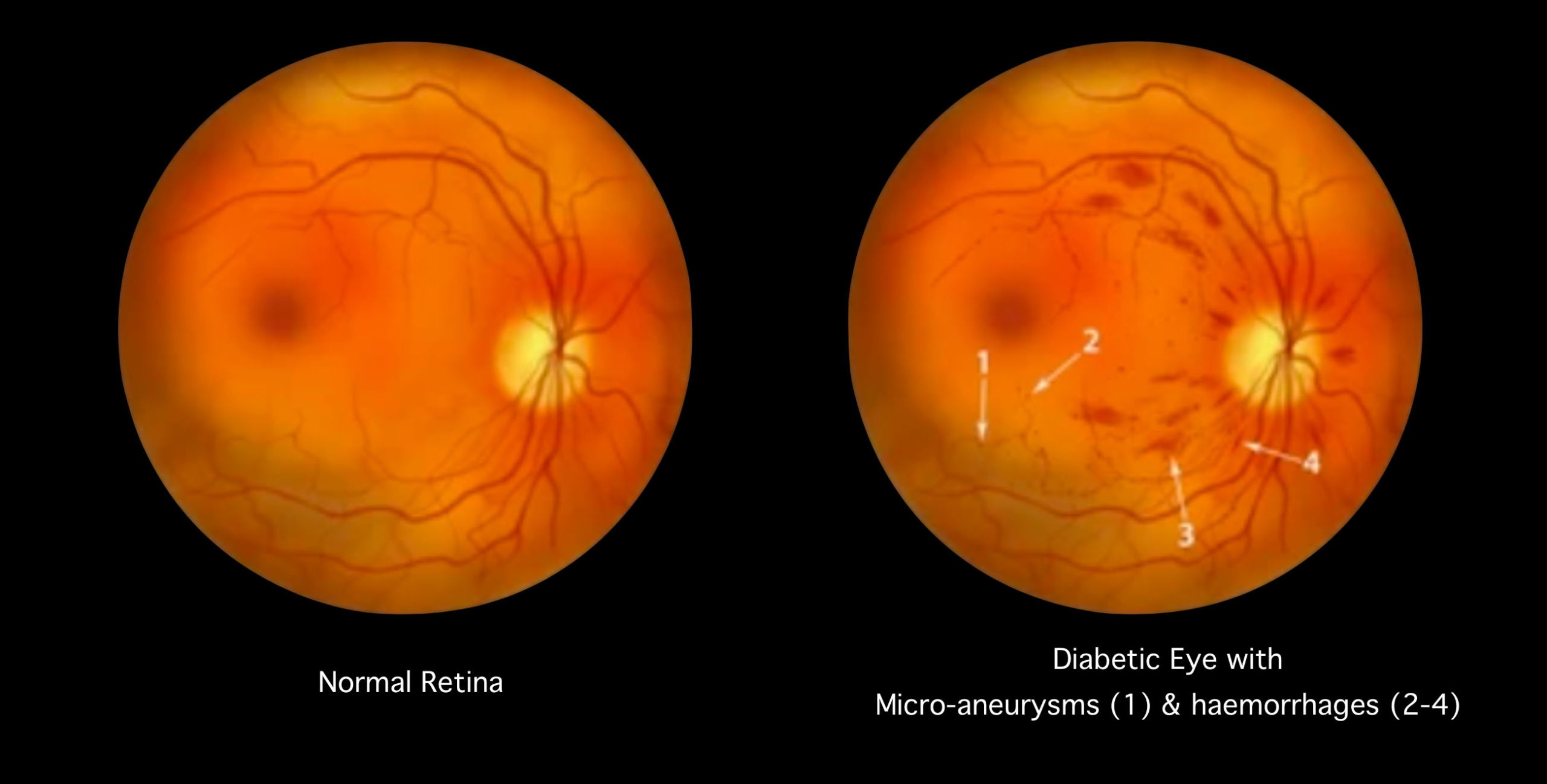
 Diabetic retinopathy: The blood vessels in diabetes are fragile and weak which leads to blood clots, leakage of blood under the retina and macula (diabetic macula edema) and frank bleeding into the retina or vitreous gel in the back of the eye. Nerve tissue damage & Dry Eye Syndrome Infections & slow healing Cataracts Glaucoma Retinal detachment & scarring Muscle damage with squints Permanent vision loss
The International Council of Ophthalmology (ICO) and American Diabetes Association (ADA) in 2018 have recommend the following:
All Type 2 diabetics must have a comprehensive ophthalmologist assessment when they are 1st diagnosed & thereafter, at the very least, once a year. The appointments may be more frequent (with poor diabetic control) or less frequent (with good diabetic control, an optimal exercise programme & a healthy diabetic diet).
All Type 1 diabetics must have a comprehensive ophthalmologist assessment within 5 years being diagnosed & thereafter, at the very least, once a year. The appointments may be more frequent (with poor diabetic control) or less frequent (with good diabetic control, an optimal exercise programme & a healthy diabetic diet).
All Pregnant Diabetic Women (Type 1 & Type 2) must have comprehensive ophthalmologist assessments every trimester and for 1 year
after birth.
During a comprehensive diabetic ophthalmic assessment and screening, the following tests are performed:
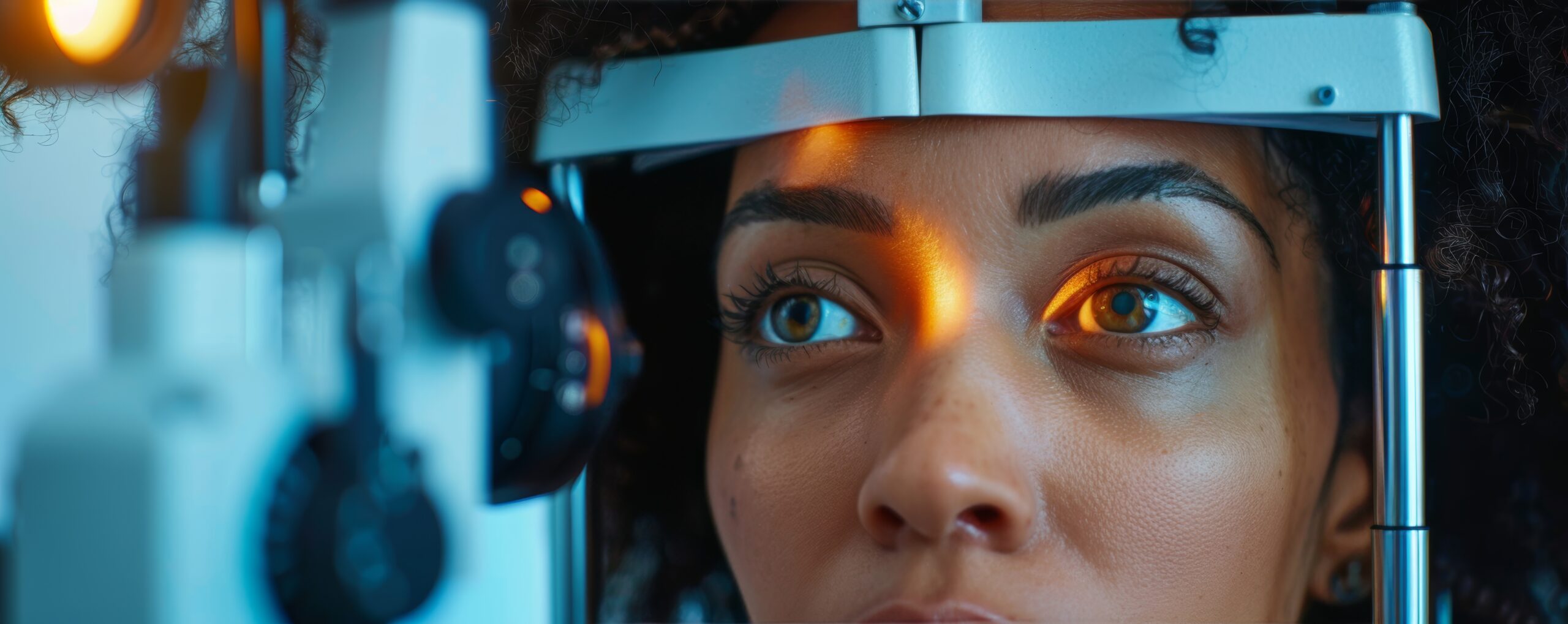
A detailed vision assessment. A dilated retinal eye examination which involves a detailed examination of your retina (back layer of the eye). Eye drops are instilled to dilate (enlarge) the pupil for a more thorough examination.
The medicated eye drops cause transient (4-6 hours) blurring of vision & light sensitivity so it is always advisable be prepared:  Bring a pair of sunglasses Do not schedule any activities for after your appointment Arrange for a friend/relative/car service to drive you home
Retinal scans (Optical Coherence Tomography) are performed Eye pressures are assessed
The treatment of Diabetic eye disorders is 2-fold:
1. PREVENTION Maintaining consistent & optimal blood sugar levels with the aid of medication, an exercise routine and a dietician-endorsed diabetic diet – GP/Physician Yearly Diabetic eye assessments and testing with Dr. Djan
2. TREATMENTS
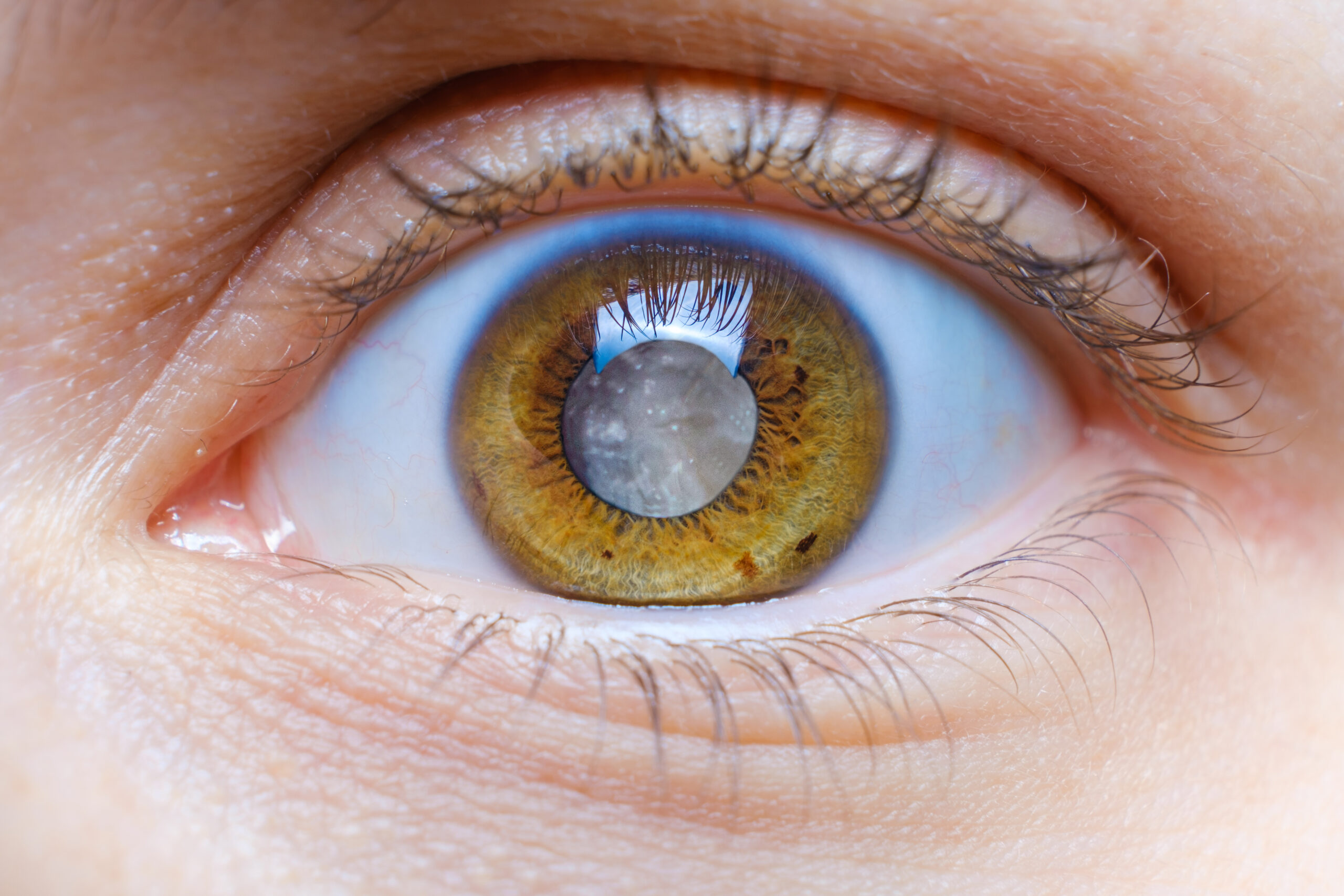
Diabetic retinopathy is treated with medicated eye injection therapy and/or diabetic laser eye therapy. Diabetic cataracts are treated much like regular cataracts with advanced cataract refractive surgery. Diabetic glaucoma is treated with glaucoma surgery, medicated eye injection therapy and/or diabetic laser eye therapy.