
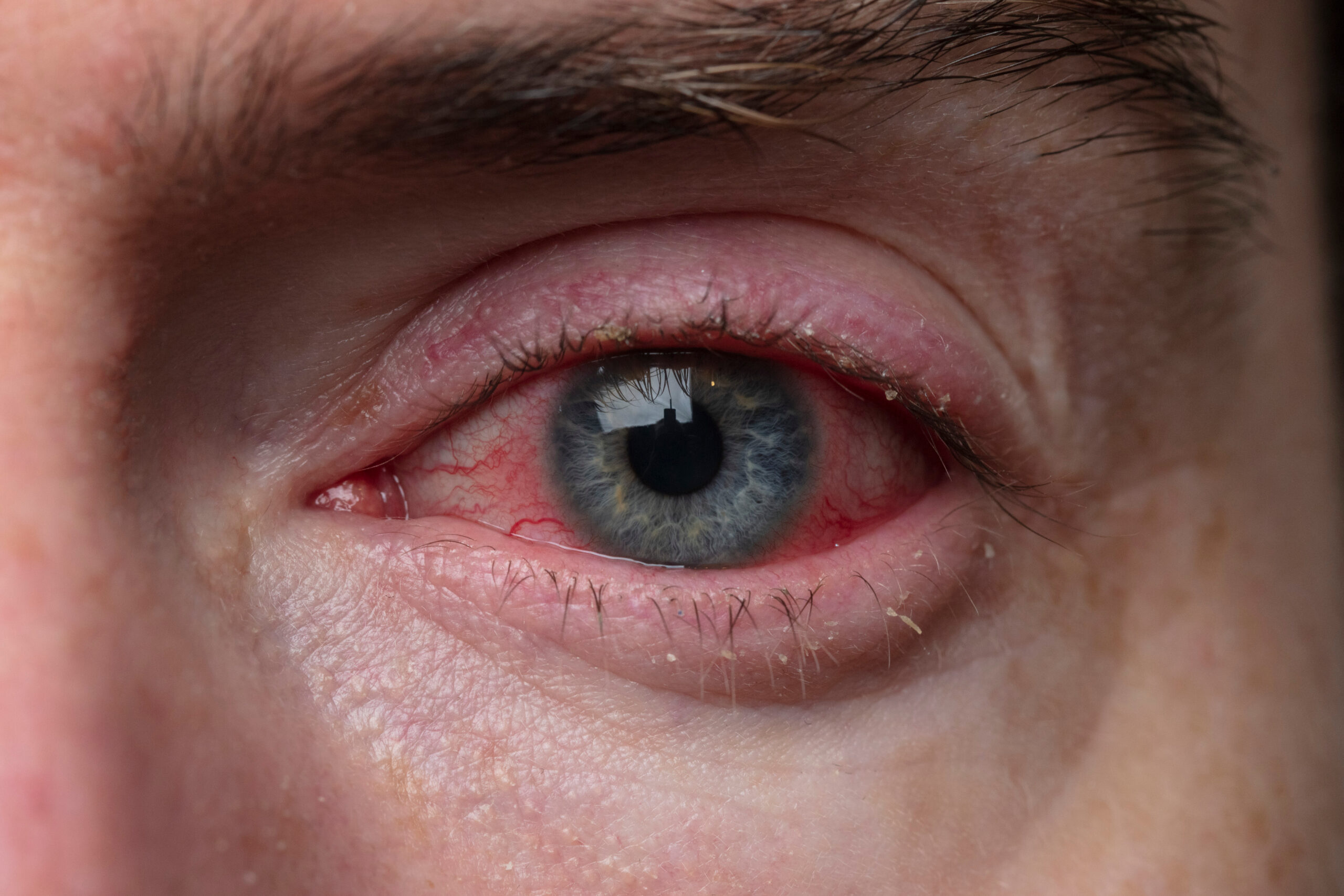




HOW IS DRY EYE SYNDROME DIAGNOSED
Dry eye syndrome is a complex disorder with several components intertwined that require meticulous diagnostic tests & management undertaken by a specialist ophthalmologist. The reasons for this are simple: No two people with dry eye syndrome have the same degree or cause of DES. Tests are required to diagnose your specific type of DES so that a custom solution can be designed for you.
These diagnostic eye tests that Dr. Djan performs at the advanced Dry Eye Clinic are all non-invasive and painless:
 Inflammation levels of the tear film (MMP9 assay) Infrared Meibography Tear Osmolality levels Non-invasive tear film metrics (Tear volume, Tear Meniscus height, Tear film break up time, Lipid layer thickness) Corneal sensitivity
Slit lamp Biomicroscopy and vital stains
HOW IS DRY EYE SYNDROME TREATED
A customised dry eye syndrome treatment is designed once your comprehensive assessment is complete.
Depending on your classification, there are various options available to tackle DES:
Preservative-free lubricant eyedrops Prescription anti-inflammatory (potent) eye drops Low Light Level Modulation therapy (Eye-light) Punctal plugs Oral supplements Eyelid photography Blepharitis eyelid pack

WHAT IS BLEPHARITIS
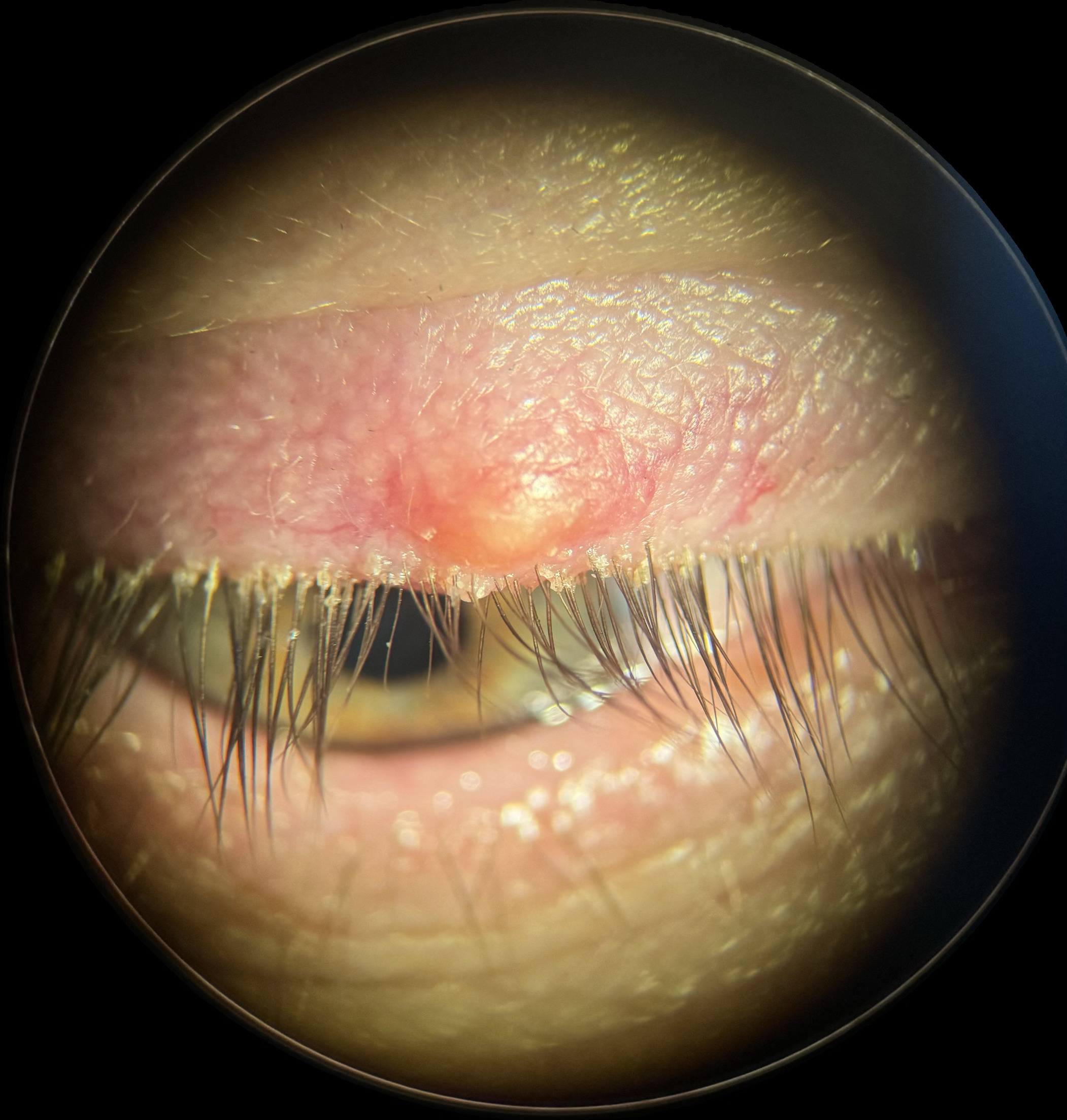
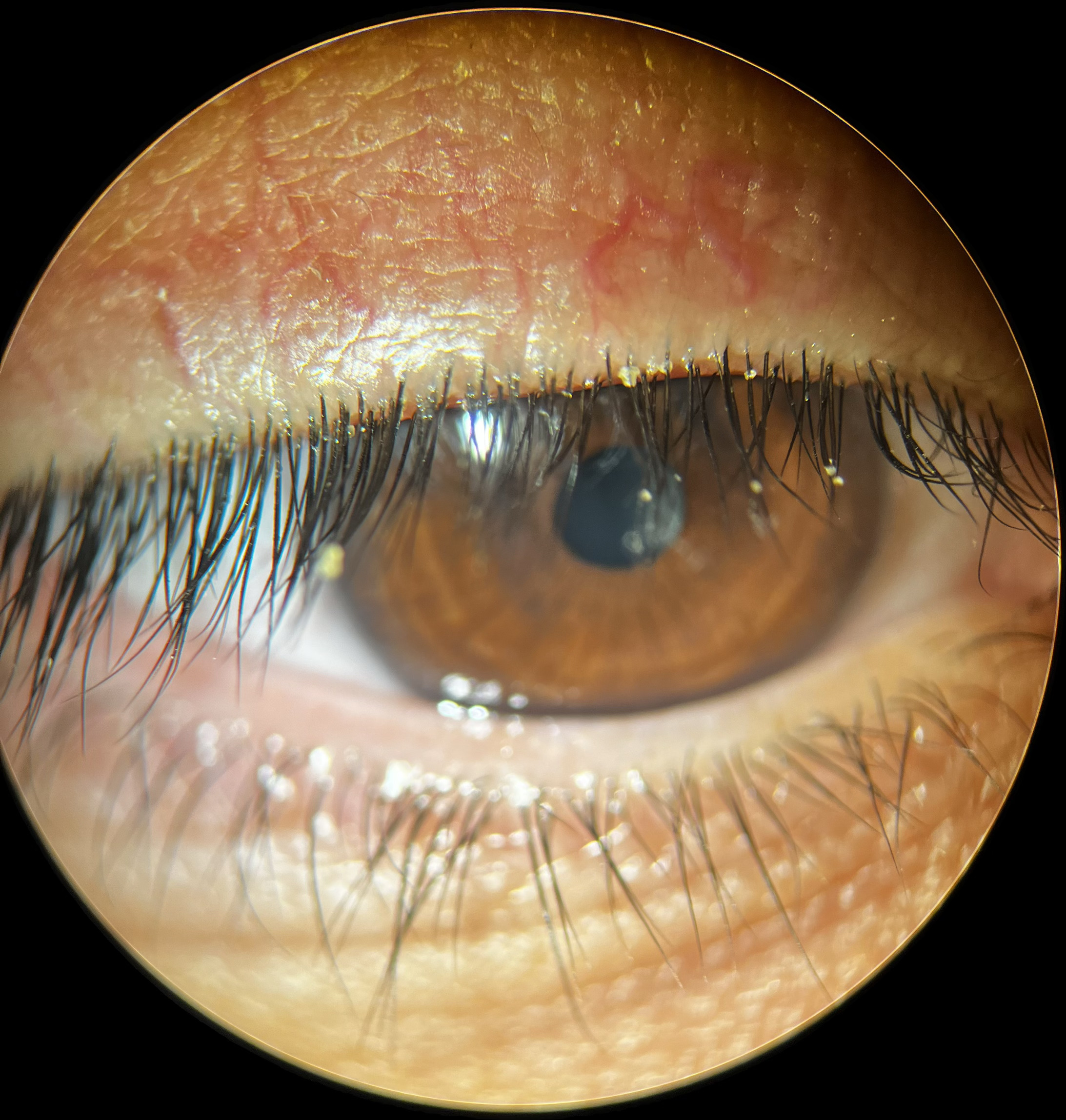
WHAT ARE THE SYMPTOMS OF A BLEPHARITIS
HOW IS BLEPHARITIS DIAGNOSED
Blepharitis infection is almost always associated with dry eye syndrome. This complex relationship requires meticulous diagnostic tests & management by Dr. Djan at the Advanced Dry Eye Clinic. The reasons for this are simple: No two people with blepharitis/dry eye syndrome have the same degree or cause of pathology. Tests are required to diagnose your specific degree of blepharitis so that a custom solution can be designed for you.
These diagnostic eye tests that Dr. Djan performs at the advanced Dry Eye Clinic are all non-invasive and include : Inflammation levels of the tear film (MMP9 assay) Infrared Meibography Tear Osmolality levels Non-invasive tear film metrics (Tear volume, Tear Meniscus height, Tear film break up time, Lipid layer thickness) Corneal sensitivity
Slit lamp Biomicroscopy and vital stains Eyelid photography
HOW IS BLEPHARITIS TREATED
A customised dry eye syndrome treatment is designed once your comprehensive assessment is complete. Depending on your classification, there a various options available to tackle DES:
Blepharitis eyelid pack Low Light Level Modulation therapy (LLLM) Preservative-free lubricant eyedrops Prescription anti-inflammatory (potent) eye drops Prescription antibiotics Punctal plugs Oral supplements
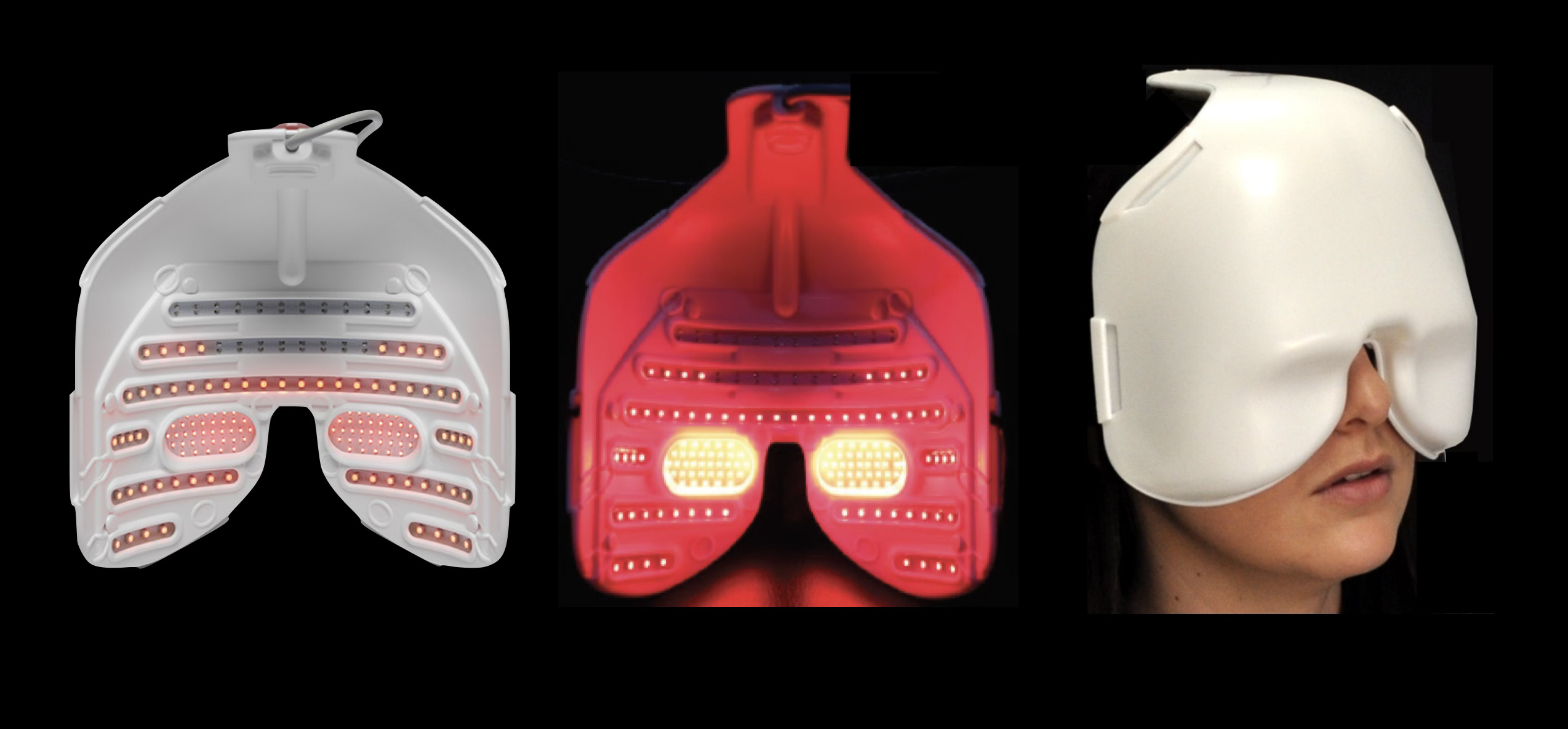
WHAT IS EYE-LIGHT THERAPY
WHAT IS INTENSE REGULATED PULSED LIGHT (IPL) THERAPY
IPRL (Intense Regulated Pulsed Light) therapy Is another treatment that forms part of the armamentarium at the Advanced Dry Eye Clinic. IRPL is a pain-free, 10-minute process administered in an office-based setting (1-3 treatments may be required for optimisation) and effectively treats a spectrum of conditions:
Dry Eye Syndrome Blepharitis Styes
Chalazion Acne Rosacea Sjögrens