


Procedure duration
10 - 30 minutes

Aesthetic Result Lasts
Lifelong

Recovery
24 hours

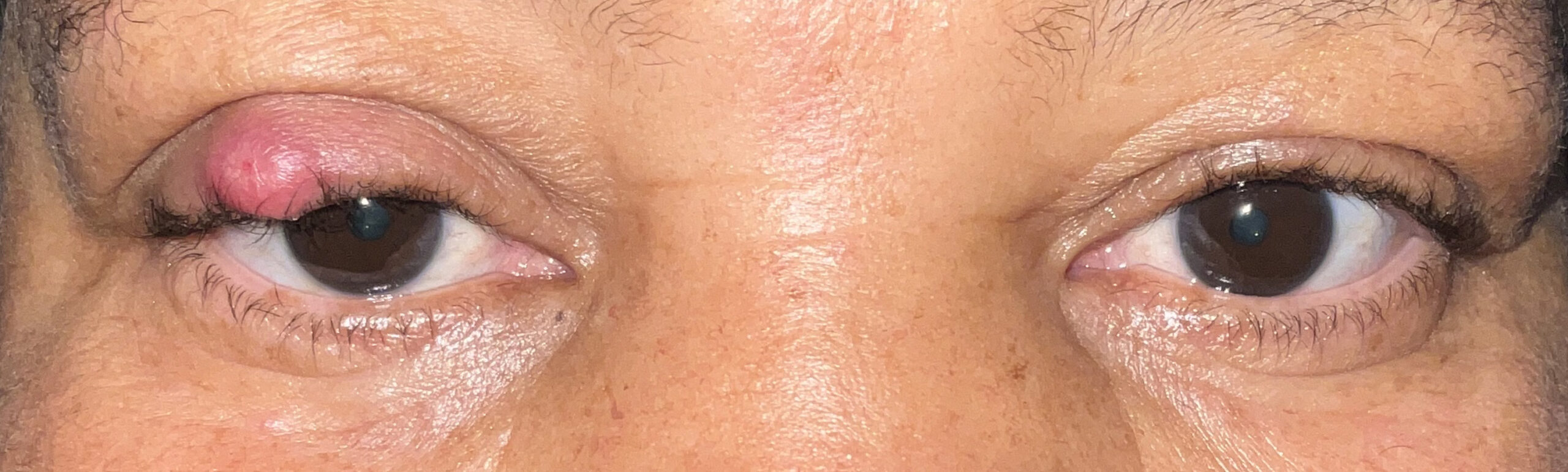
A stye is painful infection of the glands at the base and around the eyelashes. The infections may either be bacterial or related to a mite (Demodex).

Watering eyes 

Blurred vision 

Gritty/Dry eye sensation 

Heavy, lumpy sensation over the eyelid 

Crustiness around the eyelid.
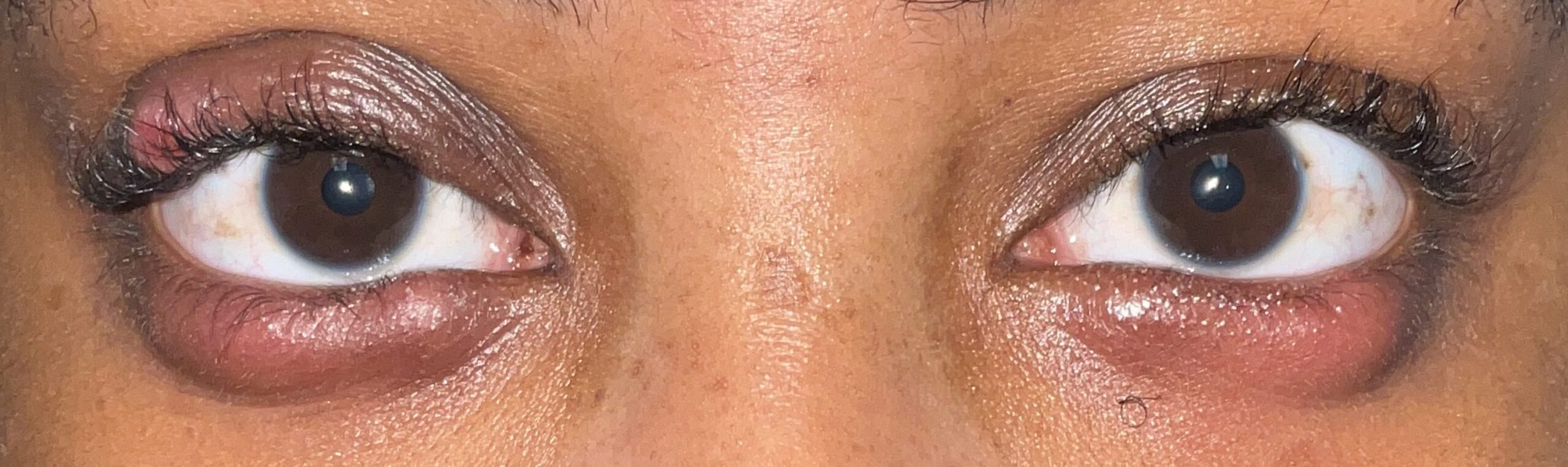
A stye may develop by chance in a healthy individual. However, people with certain risk factors are more likely to get:
Acne Rosacea,
Blepharitis (eyelid infection & inflammation)
Allergic conjunctivitis
Dermatitis/Eczema

A stye is not a chalazion. A stye is a painful infection of an eyelash/eyelid gland, whereas a chalazion is a painless blocked oil gland.


Treatment involves warm compresses (with a warm washcloth) at home. A surgical drainage procedure (office-based) and a course of antibiotics may be required if the stye persists. Do not try & pop the stye yourself. You should also avoid wearing makeup or contact lenses until it has completely resolved.

Results may vary

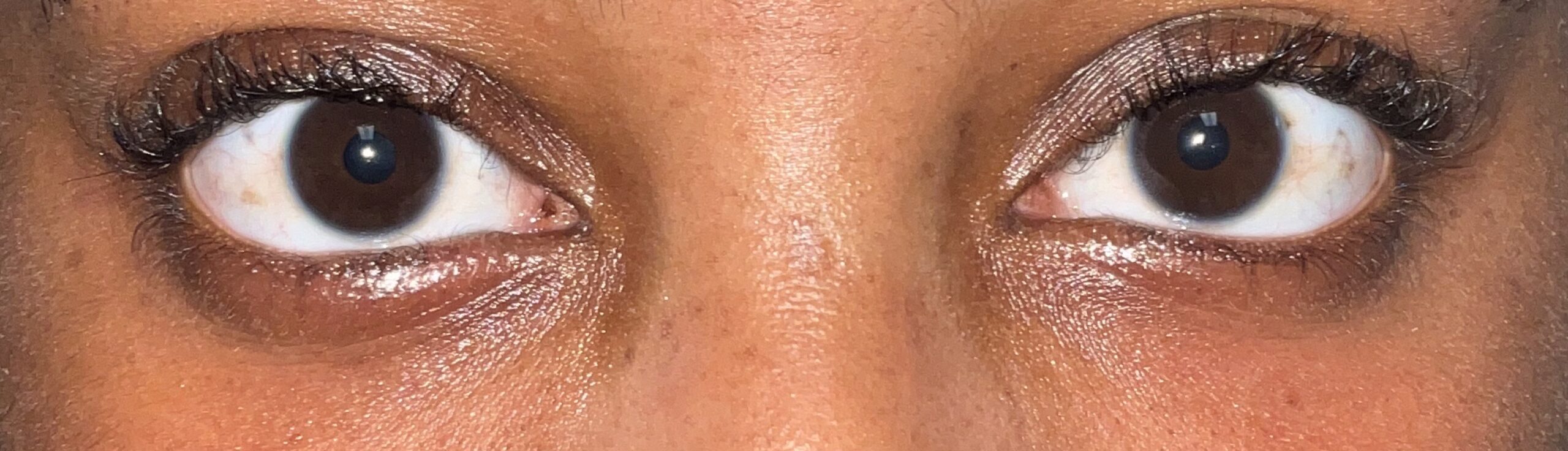
A chalazion is a painless red lump/cyst on the eyelid that develops from a blocked oil gland (Meibomian gland) in the eyelid, hence, it’s alternative name, Meibomian cyst.

Symptoms include: 

▪Watering eyes 

▪Blurred vision 

▪Gritty/Dry eye sensation 

▪Heavy, lumpy sensation over the eyelid 

▪Crustiness around the eyelid.

A chalazion is not a stye. A chalazion is a painless blocked oil gland, whereas a stye is a painful infection of an eyelash/eyelid gland.


Treatment involves warm compresses (with a warm washcloth) & gentle eyelid massages (with your index finger) at home. A drainage procedure and a course of prescription antibiotics may be required if the chalazion persists. Do not try & pop the chalazion yourself. You should also avoid wearing makeup or contact lenses until it has completely resolved.

Results may vary

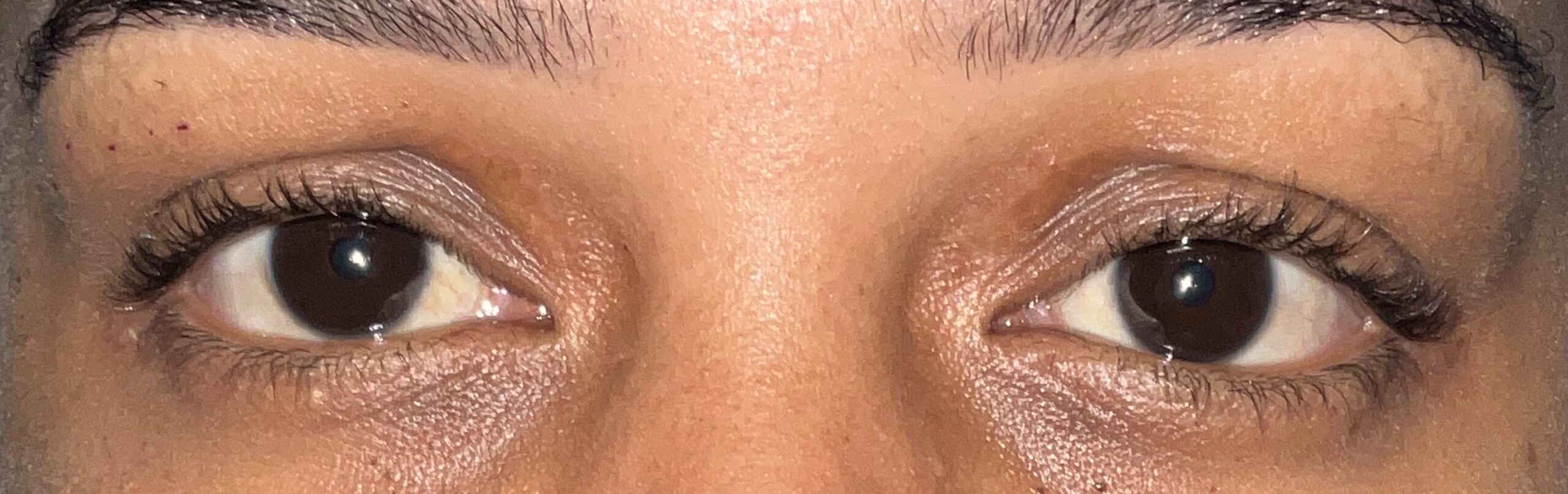
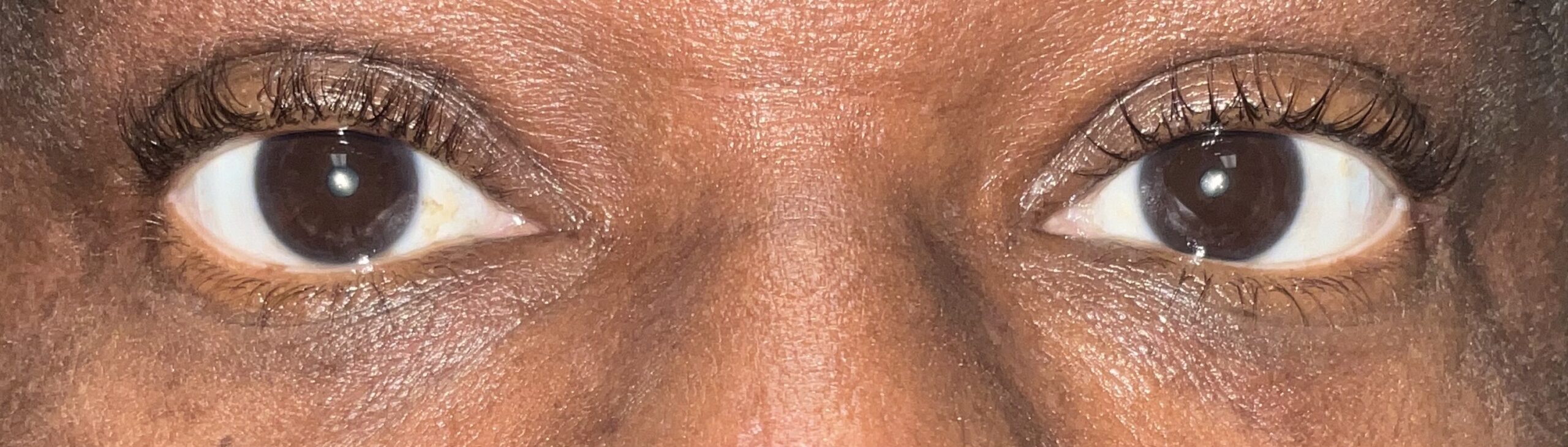
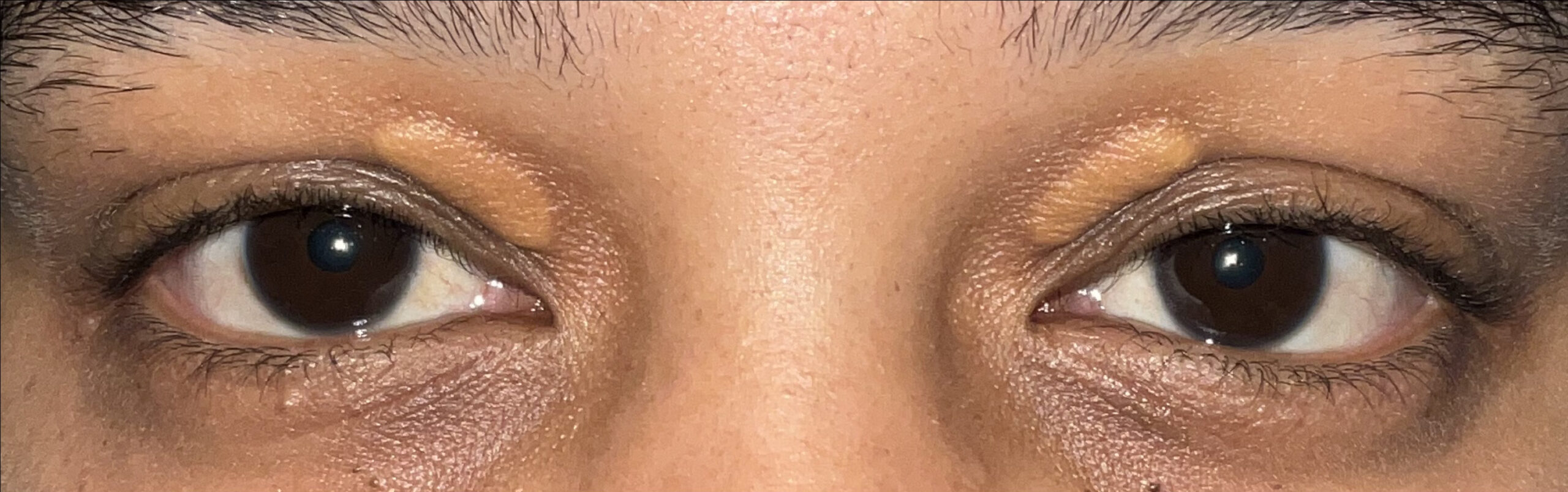
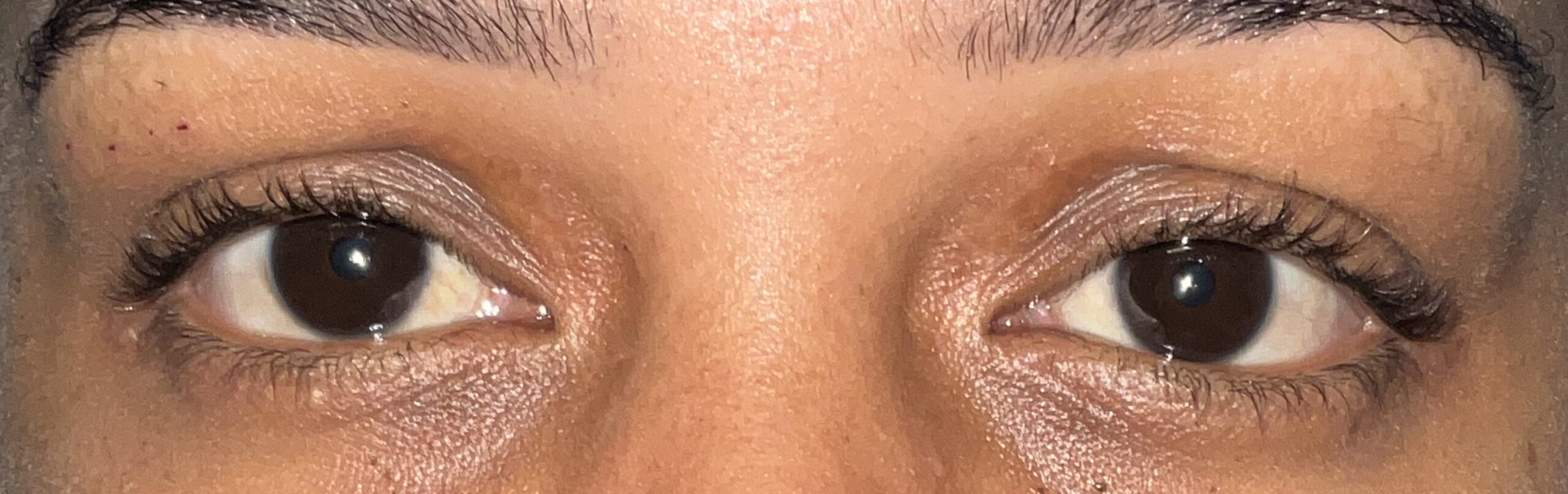
Xanthalesma palpebrarum (XP) are yellow cholesterol deposits under the skin of the eyelid corners. They are harmless but are rather aesthetically displeasing to most people who seek to have them removed.


Xanthalesma palpebrarum is present in 4% of the population and risk factors include:
▪High blood cholesterol (however, 50% of people with XP have normal cholesterol levels)

▪Diabetes
▪Thyroid disorders
▪High Blood pressure
▪Women & Pregnancy

Results may vary

Xanthalesma Palpebrarum (XP) can be treated by:

▪Surgery [Suitable for all skin types. Zero issues with skin pigment imbalance. Minimal risk of wound scarring/keloids (2%)]
▪Plasma or Radio frequency ablation.
▪Chemical peels [Multiple sessions are required. Moderate risk of skin pigmentation/colour changes. Considerable risk of regrowth (25%) & Inflammation (30%)].
▪If you have high cholesterol then prescription cholesterol-lowering medication & lifestyle management (healthy diet and exercise) will be facilitated by your GP.

Xanthalesma Palpebrarum (XP) surgery is performed under local anaesthesia. Smaller lesions (grades I/II) are peeled away and the normal, relaxed skin edges are sutured closed. In larger lesions, a blepharoplasty with skin flaps may be used to address the wider area. The stitches are placed meticulously to ensure minimal/no evidence of surgery once the area heals completely. The stitches are removed after 5 days.

Xanthalesma palpebrarum (XP) surgery is has a good safety & success profile, however, all surgical procedures have inherent risks.


Rare risks of this procedure may include: 

▪Xanthalesma Palpebrarum (XP) growing back – 3% risk
▪ Wound scarring/keloids – 2% risk

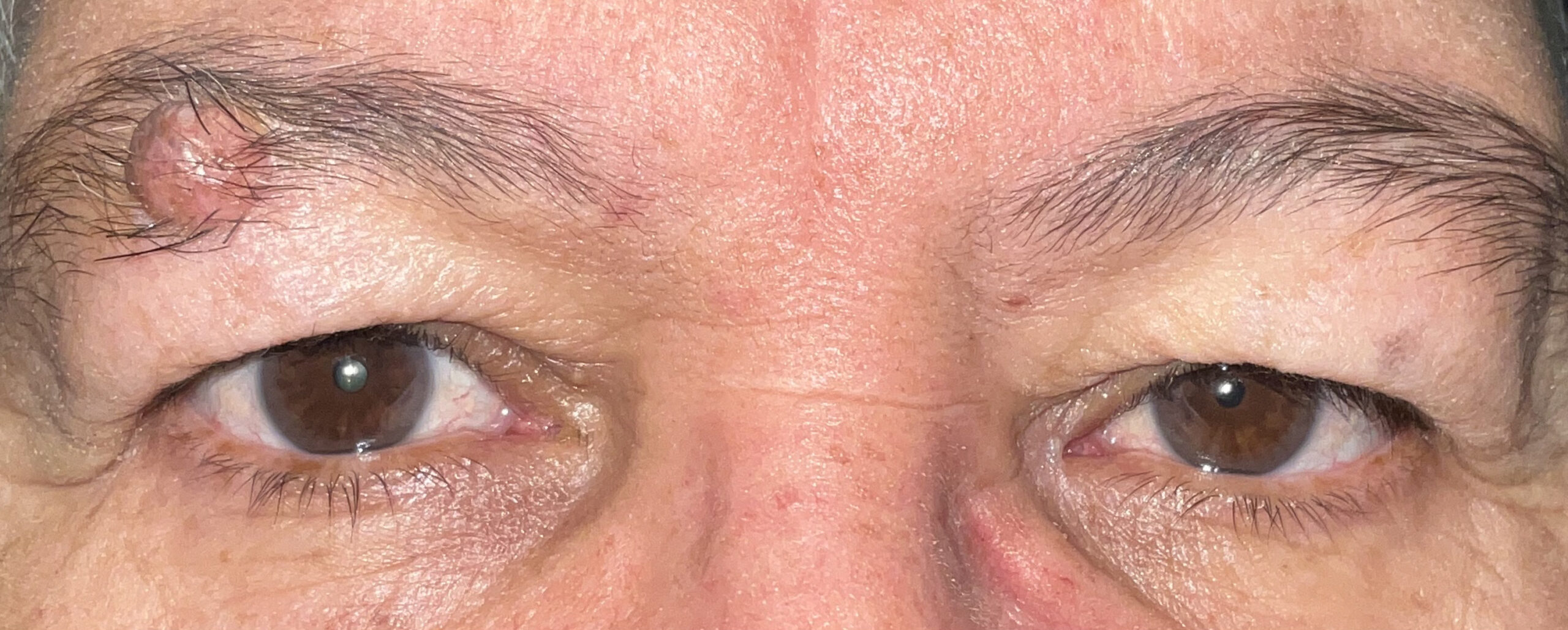
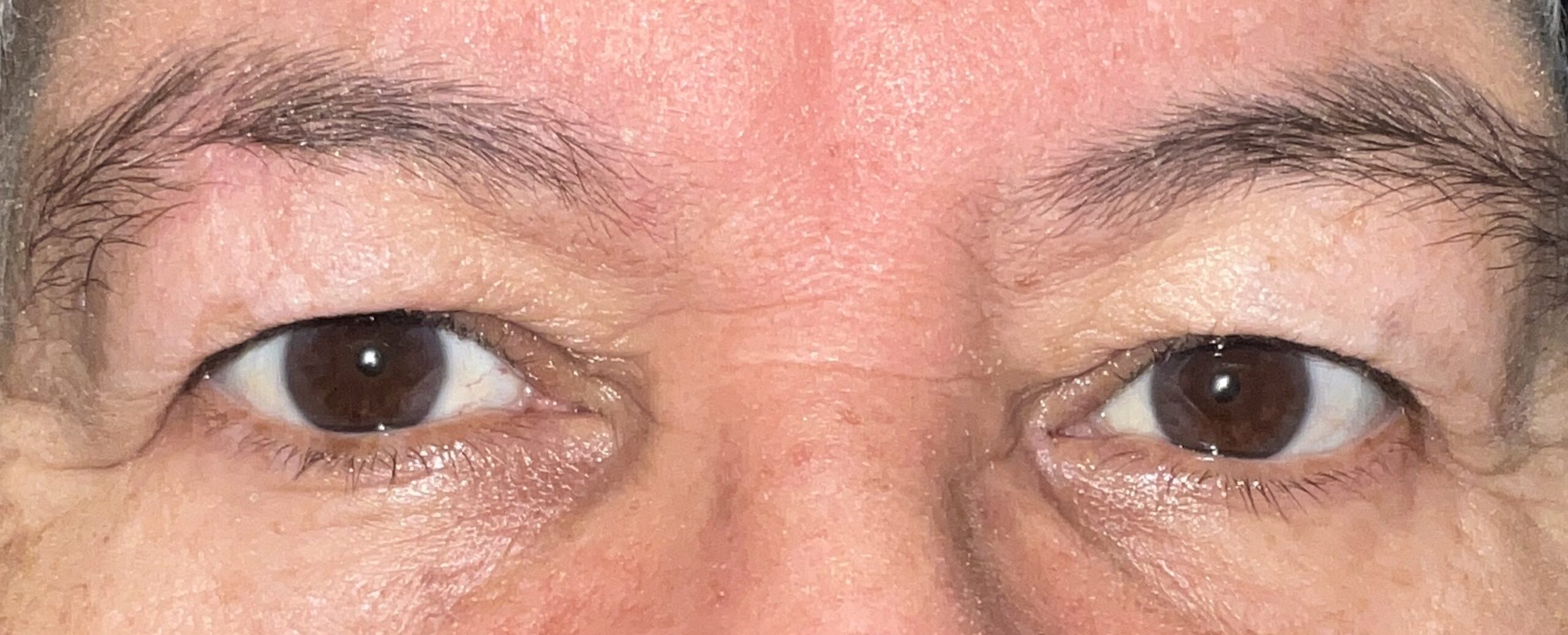
A hydrocystoma is translucent, skin-coloured cyst of the eyelid sweat glands. The involved sweat glands are either simple (eccrine) or modified (apocrine). The cysts are mostly innocuous, but are rather aesthetically displeasing to most people who seek to have them removed.

Results may vary

Itching
Increased size during activities that induce sweat. 

Women are at a higher risk of developing a hydrocystoma.

Treatment requires surgical excision of the entire cyst. This is performed with local anaesthesia (& light sedation). Do not attempt to pop the cyst or prick it with a needle – It will only reform within a few days/weeks and places you at risk of developing a skin infection.

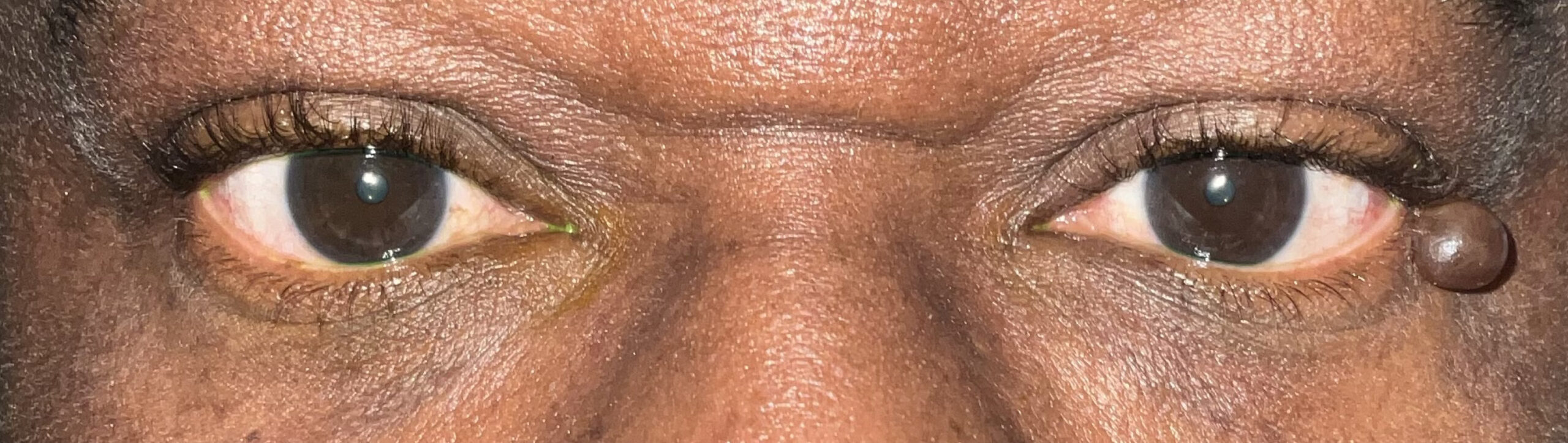
A mole (intradermal nevus) is an overgrowth of skin pigment cells (melanocytes) in the deeper layer of eyelid skin. It is mostly harmless, but most people that have them may find them unpleasant and aesthetically displeasing. A mole can be surgically removed with little to no signs of scarring.

Results may vary

Yes. Don’t allow costs to limit your eye health and aesthetic appearance. Tailored Finance options are available to suit your individual needs.