We use cookies to enhance your experience and to comply with data protection regulations. By clicking "Accept", you agree to our use of cookies.
Read more.
This website complies with South Africa’s POPIA (Protection of Personal Information Act) and international standards such as the EU's GDPR. Your personal data is handled responsibly, securely, and transparently.
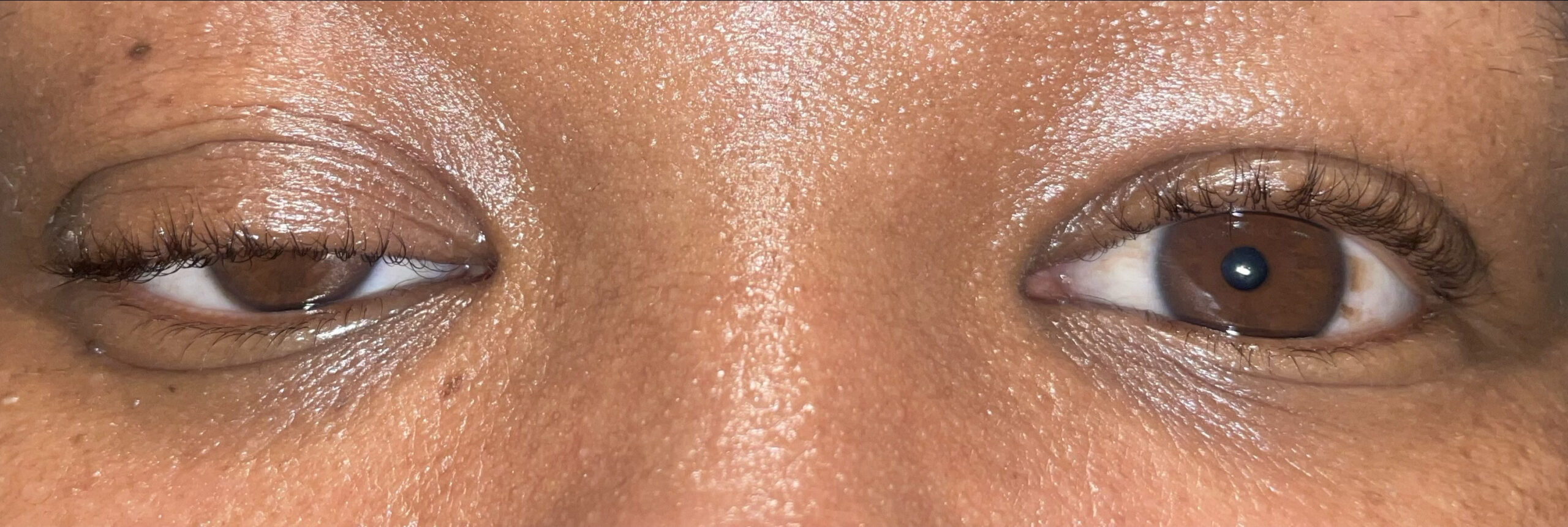
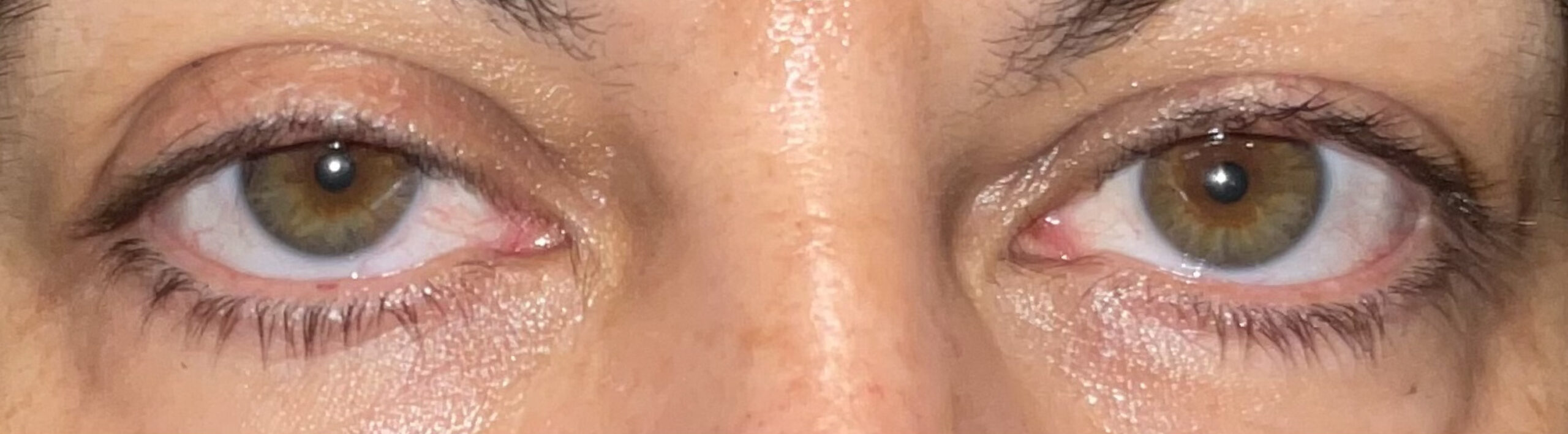
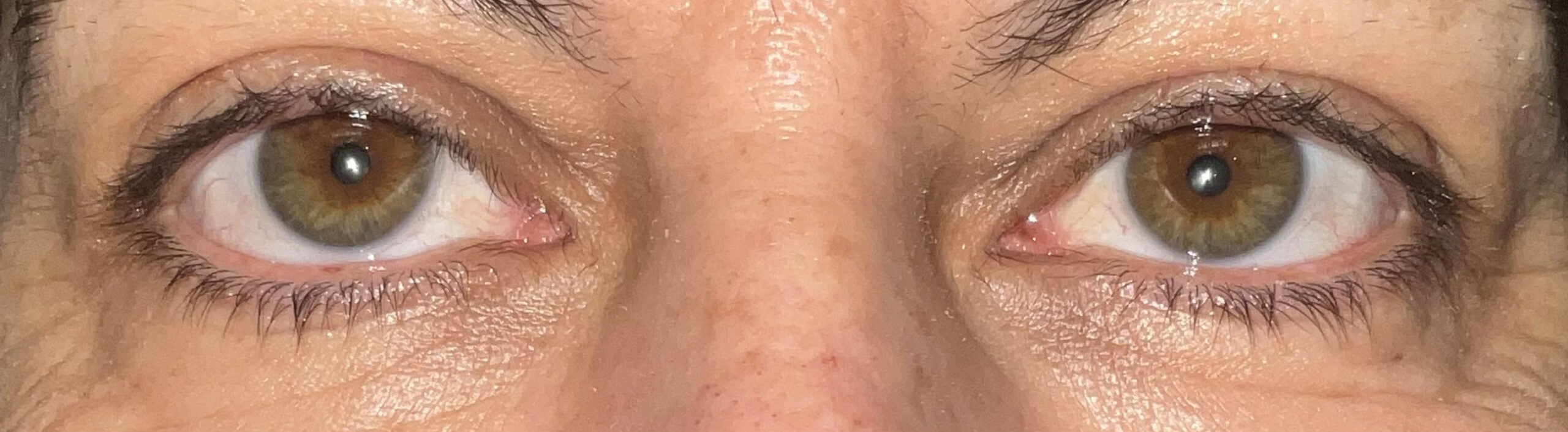
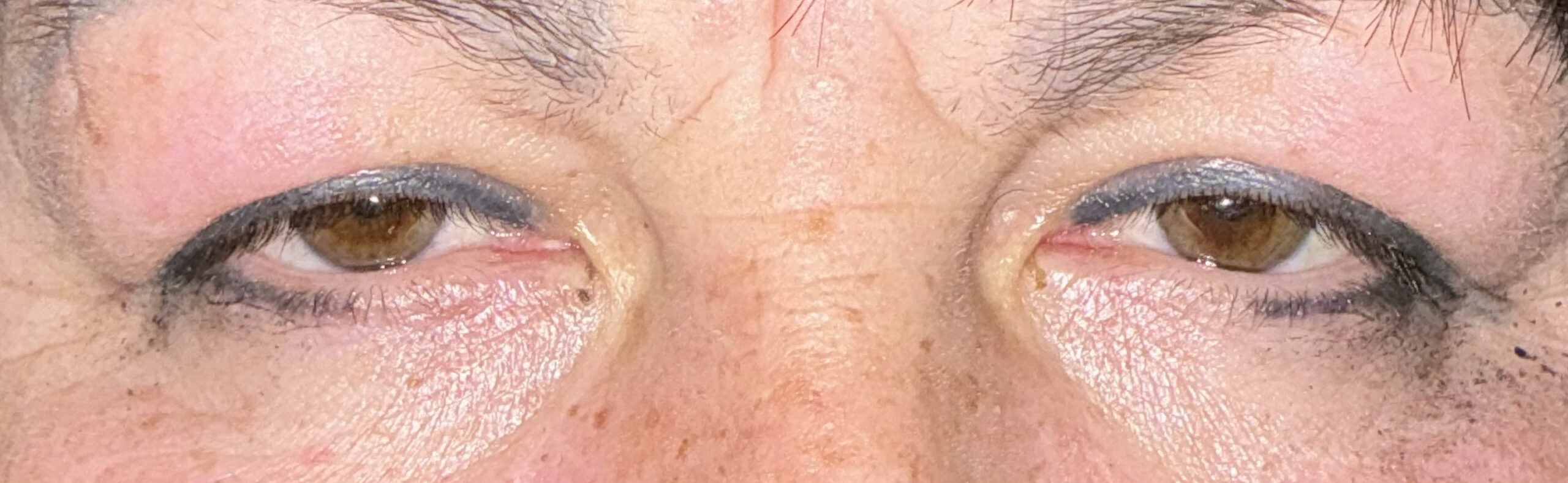
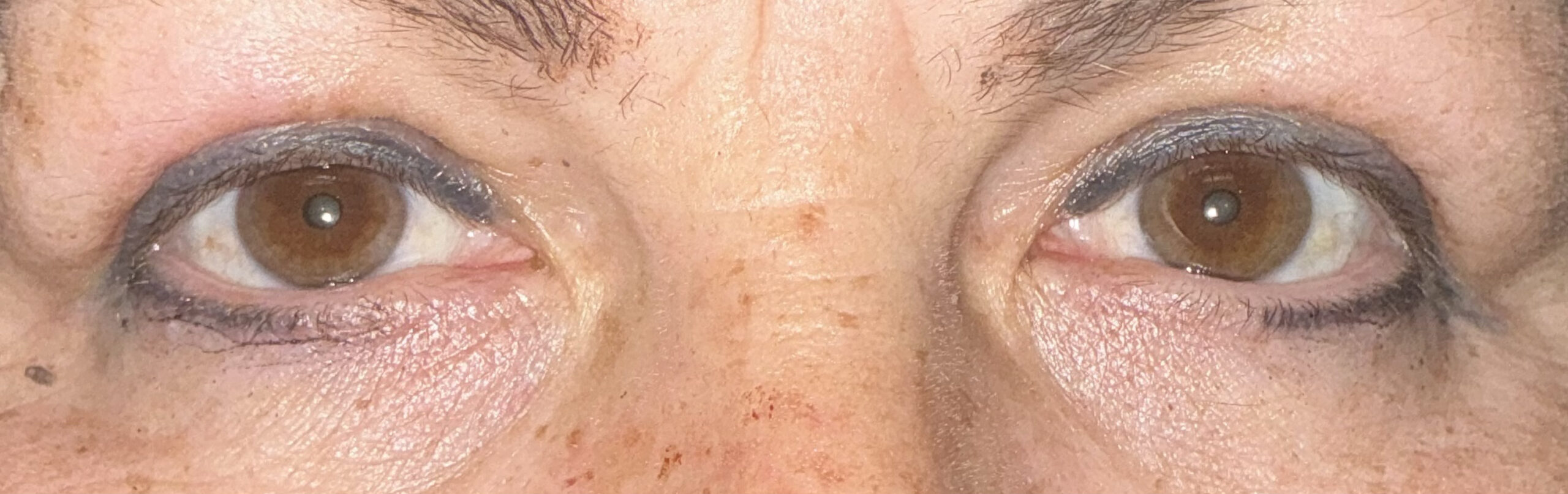
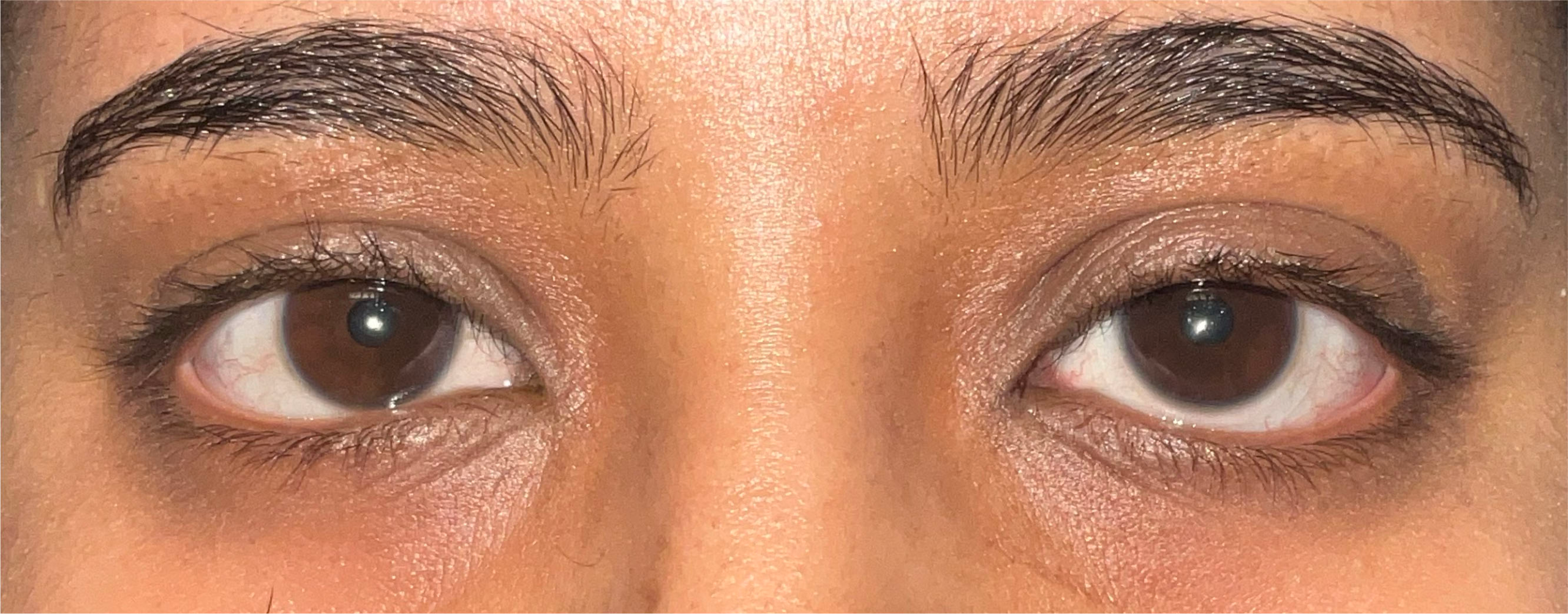
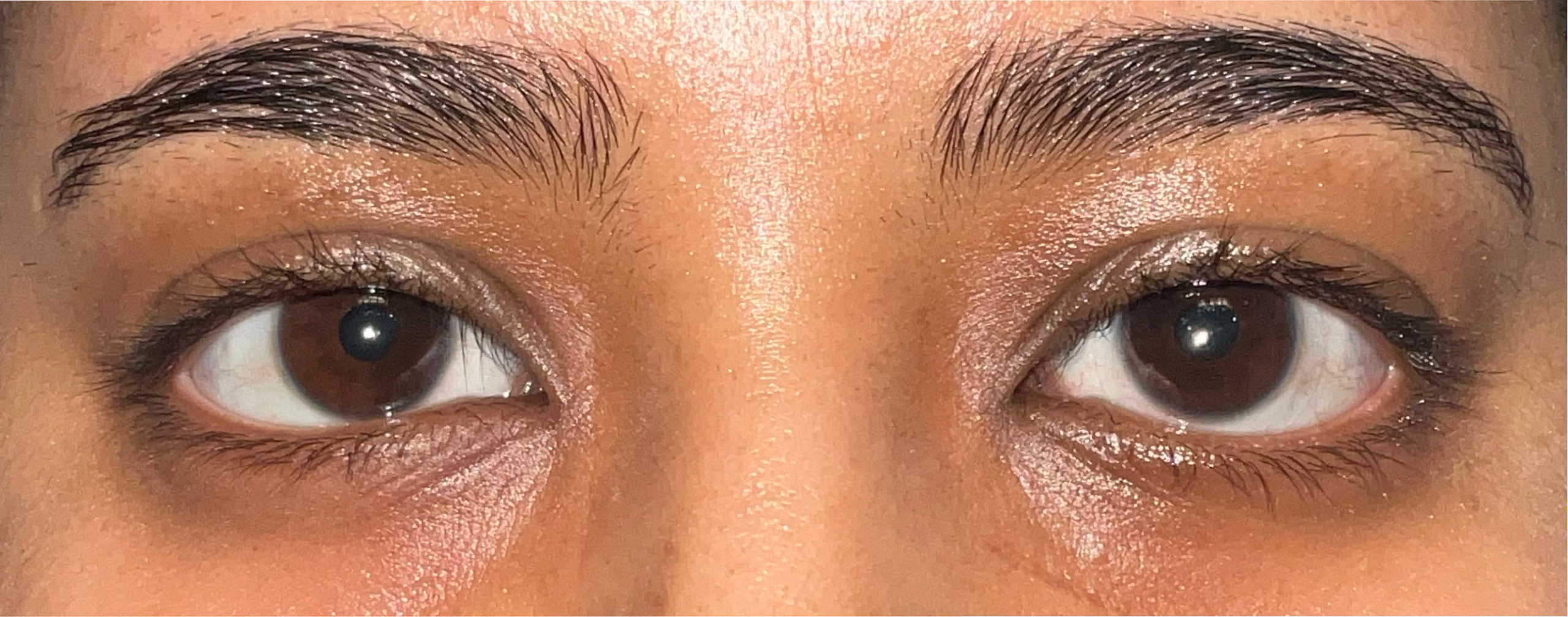
A ptosis (pronounced toe-sis) is the medical name for any structure that droops/sags. Therefore an eyelid ptosis means a droopy eyelid (blepharo-ptosis) and an eyebrow ptosis means a droopy eyebrow (brow-ptosis). This usually occurs when the muscles that lift the eyelid/eyebrow are weak and it may affect one or both eyes. The severity of the drooping can be mild (cosmetic nuisance), to significant, where the eyelid appears almost completely shut, obscuring vision.
▪ Eyelid/Eyebrow muscle tone loss (Aponeurotic) – This may be age-related, or from long-term Contact lens wear, or people with Chronic eye allergies. ▪ Eyelid/Eyebrow muscle paralysis (Neurogenic) – Nerve paralysis (3rd nerve palsy), Horners syndrome. ▪ Generalised medical conditions – Myasthenia gravis, Myotonic dystrophy. ▪ Eyelid masses (Mechanical): Eyelid swelling, Eyelid cysts (Styes, Chalazion) that weigh down the eyelid.
A compressive specialist assessment is always essential to determine the type & severity of ptosis. Dr. Djan will perform a diagnostic evaluation of both eyelids and eyebrows to classify your grade of ptosis. Some types of ptosis caused by underlying medical conditions (e.g. Myasthenia gravis & Chronic eye allergies) can be treated with medication alone. Other types of ptosis can be treated with minor surgical procedures (e.g. stye/chalazion surgery). An established ptosis, however, will need a formal ptosis surgical repair procedure to restore the normal position of the eyelid & eyebrow.
Eyelid ptosis surgery is performed as a day procedure under local anaesthesia with light sedation. Mild eyelid ptosis surgery uses an incision at the back of the eyelid, which leaves no visible scars and does not require any stitches to be removed. Severe eyelid ptosis surgery involves an incision in the front part of the eyelid, concealed naturally by the eyelid fold (to avoid any visible scars) & does require removal of stitches after 5-7 days. This approach also addresses any excess eyelid skin needing removal at the same time with a blepharoplasty.
Eyebrow ptosis surgery can also be approached form the front surface (which will require 2 sutures), or from the back surface when it is combined with eyelid ptosis surgery.
Ptosis surgery is a safe procedure, however, all medical procedures have inherent risks.
▪ Swelling & Bruising: this usually resolves within 7-14 days ▪ Overcorrection/Undercorrection: The eyelid may require an adjustment to perfect the symmetry if it is slightly higher or lower than intended (risk is 3%).
CAN I FINANCE MY PTOSIS SURGERY
Yes. Don’t allow costs to limit your eye health and aesthetic appearance. Tailored Finance options are available to suit your individual needs.