
Procedure duration
30 minutes

Aesthetic result
lifelong in 98% of people

Recovery
7 Days

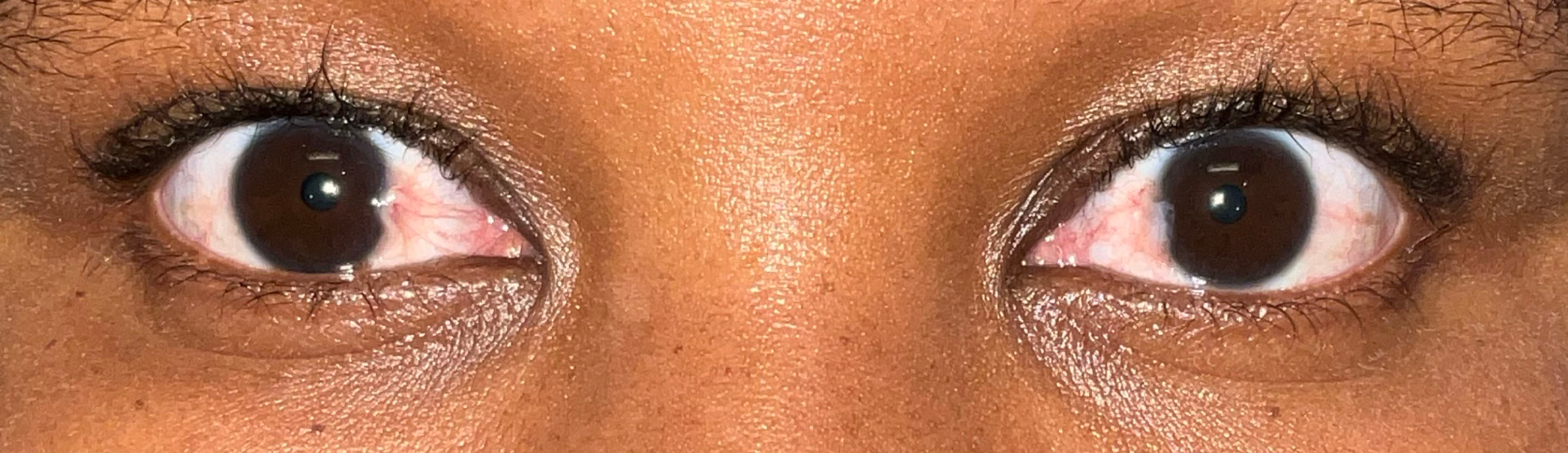
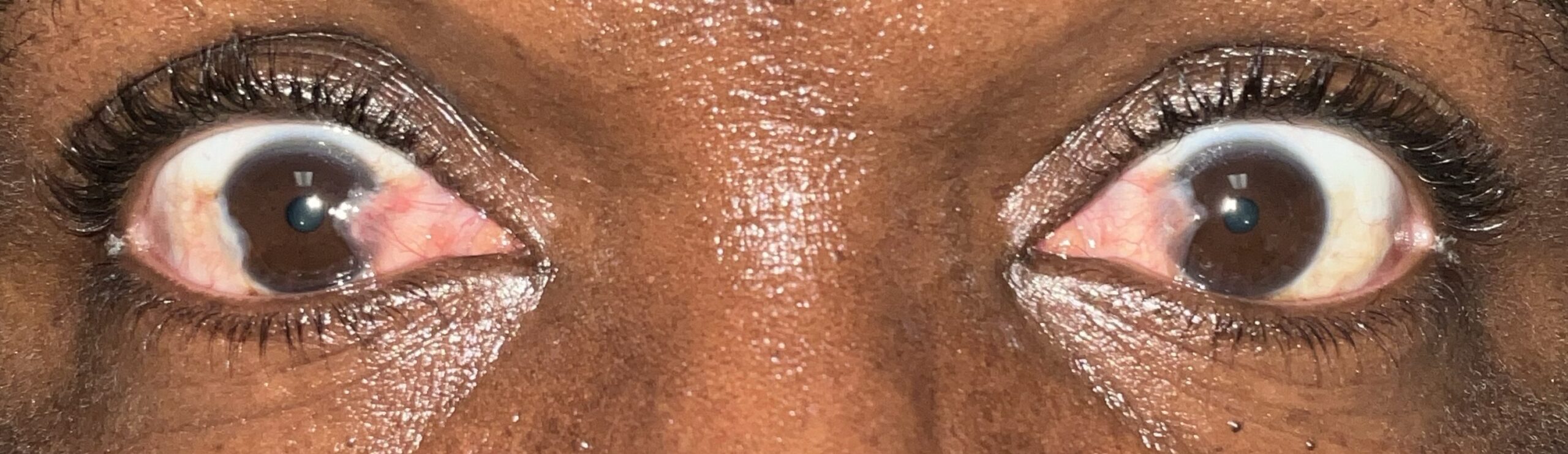
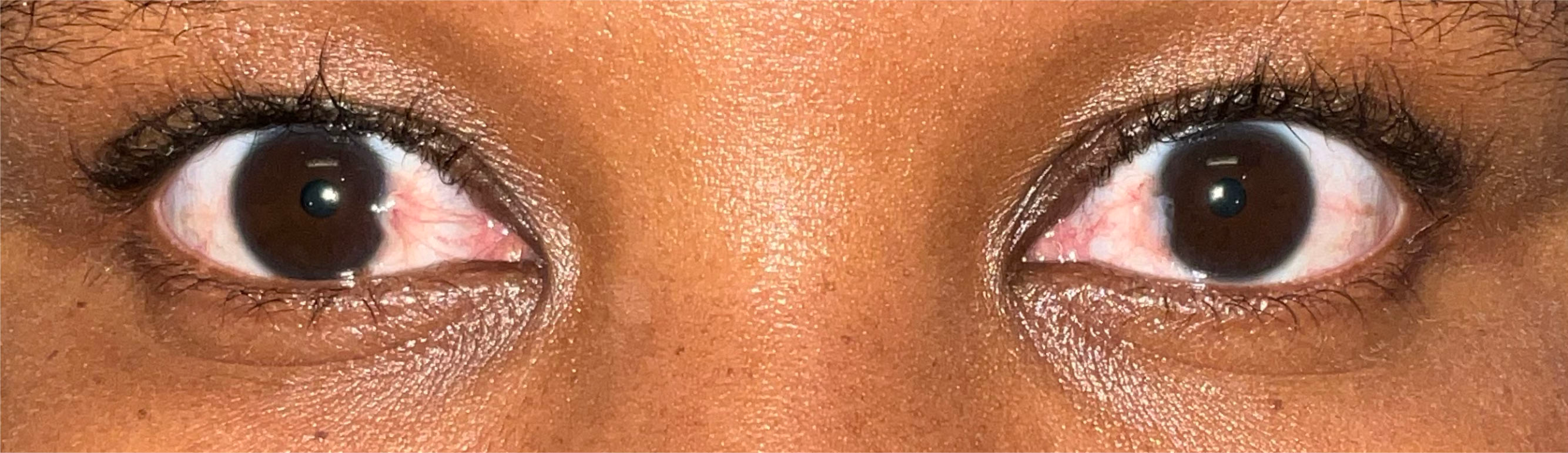
A pterygium (pronounced teh-ree-jee-yum) is a pyramid-shaped growth of scar tissue that spreads from of the conjunctiva (clear membrane over the white part of the eye) onto the cornea (the clear window part of the eye) towards the pupil.


It is a fairly common condition & may occur in one or both eyes. They generally start in susceptible young adults and gradually increase in size over the years.

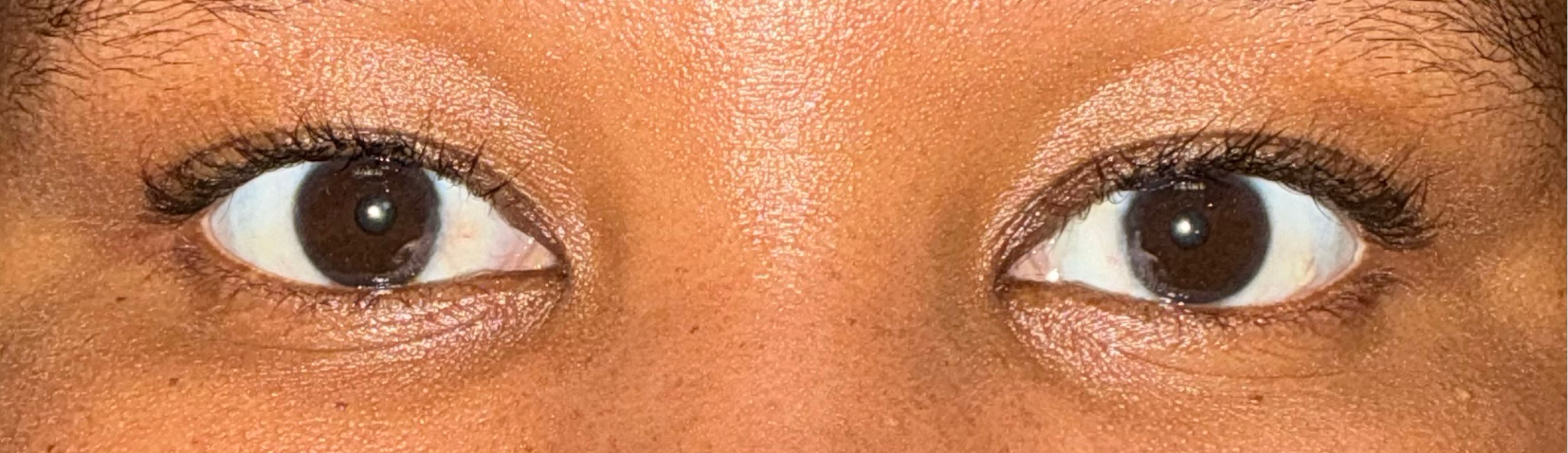
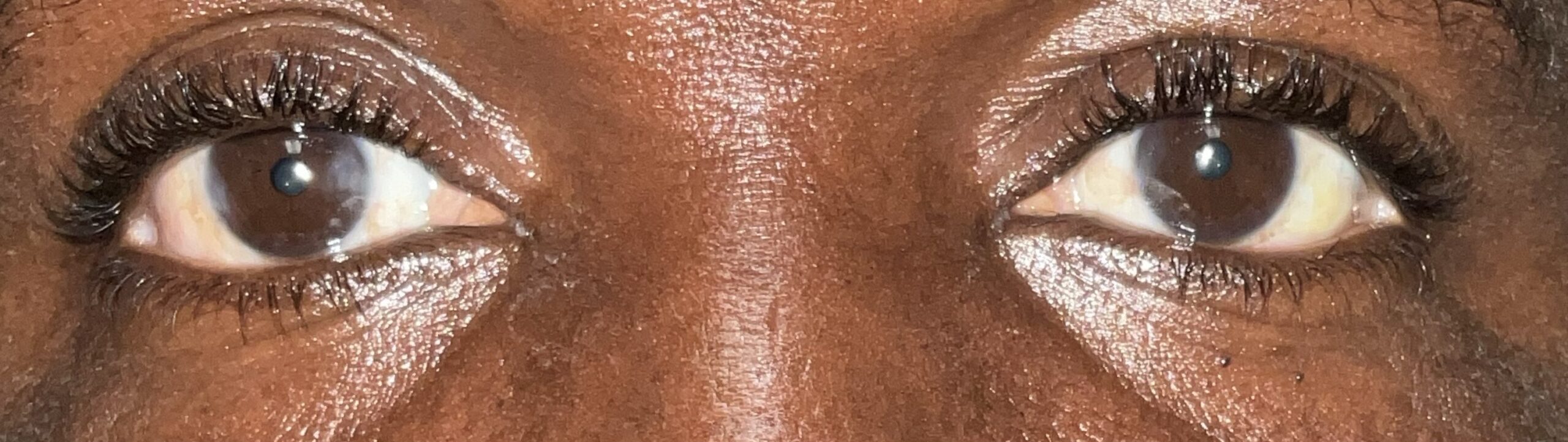
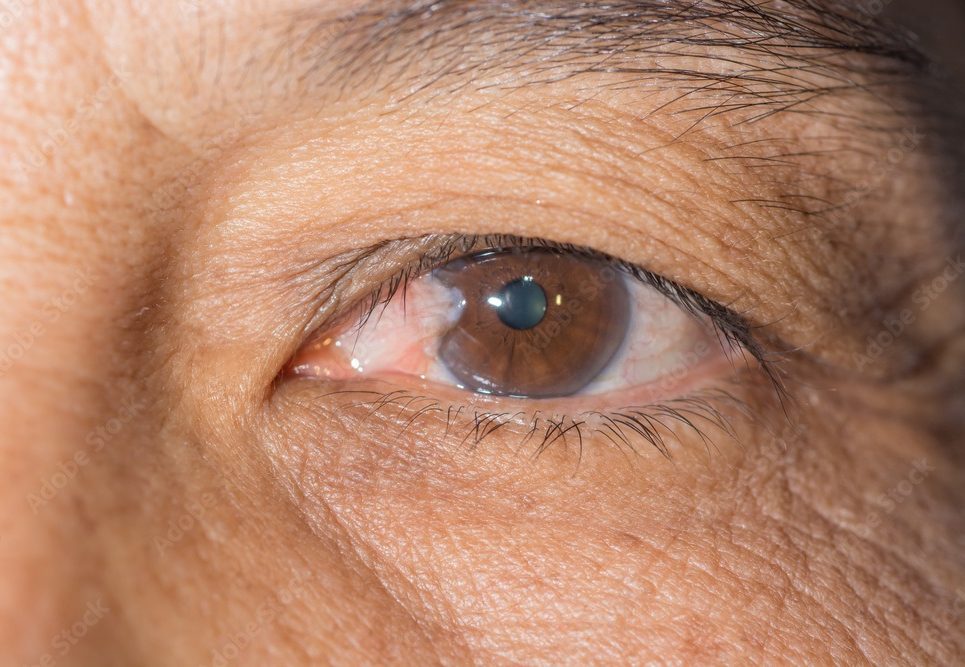
Picture showing pterygium in eyes

Research indicates that Ultraviolet (UV) light exposure and wind are the leading causes of pterygium formation. It is therefore prudent to use adequate UV-protective eyewear (sunglasses).

Symptoms and signs of a pterygium may vary from mild to severe:
▪ Red eyes – often leading people avoiding eye contact due of the cosmetic appearance)

▪ Gritty/Dry eye sensation

▪ Watery eyes

▪ Blurred vision (astigmatism)

Surgery is the definitive treatment for a pterygium. Lubricating eye drops/gels may be used to relieve some of the mentioned symptoms, but they have no effect on the pterygium size. Pterygium surgery usually takes 30 minutes to complete in an operating theatre under local anaesthesia with light sedation. It is performed as a day procedure and does not require hospital admission/an overnight stay. It may also be performed in isolation or combined with other surgery (e.g. cataract surgery) if required.


Powerful operating microscopes are used to visualise the eye as the pterygium is delicately peeled off. In selective cases, this peeled off area is chemically treated with Mitomycin C (‘off-label’ use) to prevent the pterygium growing back.


This area is then covered by either:

(1) a section of normal conjunctiva harvested from a different part of the same eye OR
(2) a synthetic membrane Amniomatrix (Cryopreserved Amniotic Membrane Graft)


In very large pterygiums, both types may be used to cover the peeled off area. No sutures are used, but instead a special form of tissue adhesive is used to keep the the graft attached to the peeled off area. Antibiotics eyedrops are instilled and the eye is patched for the first night.

Results may vary

People find they can return to their usual level of activities 5-7 days days after having their pterygium surgery. Mild eye inflammation (characterised by light sensitivity/grittiness/blurred vision) is uncommon, but may be present for a few hours thereafter.

Eye redness at the surgery site is common, but this fades away over a period of 2 weeks with the use of the prescription eye drops.

Be sure not to have any photoshoots, or major events within 3 month of your proposed surgery date to allow your eyes to attain maximal healing.

Pterygium surgery is a very safe procedure, however, all medical procedures have inherent risks.

Uncommon risks that are transient include:


▪ Inflammation

▪ Light-sensitivity

▪ Redness

▪ Dry eye syndrome

▪ In rare cases, the pterygium can grow back over a few months – years (1.6% risk)

▪The ‘off-label’ application of Mitomycin C can in very rare cases cause thinning, scarring of the eye layers.
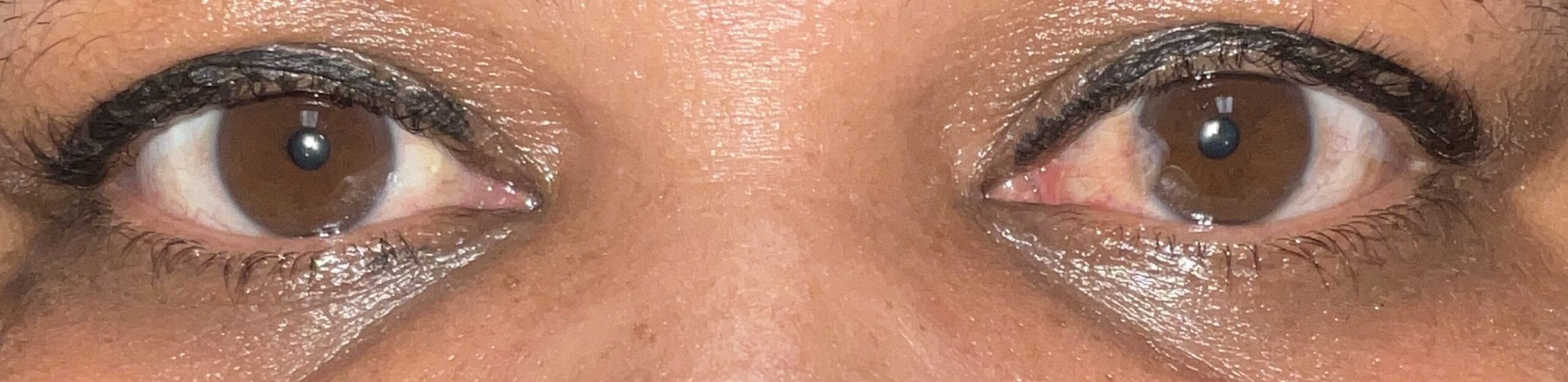
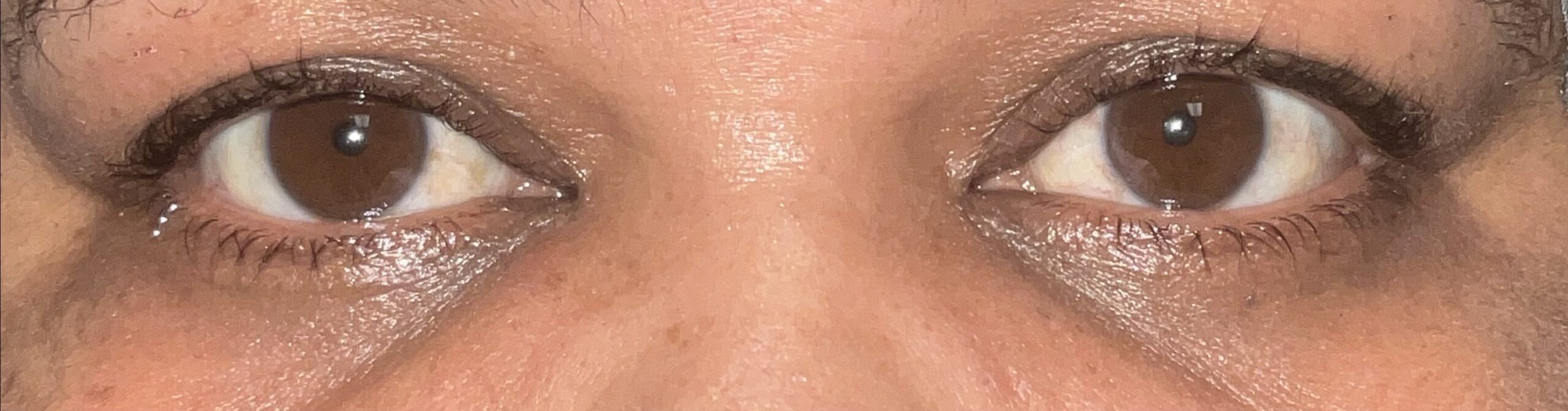
Results may vary

Yes, but the risk is fairly low (1.6%). The meticulous surgery coupled with preventative methods (vigilant use of UV-protective eyewear & lubricant eye drops) account for this low recurrence risk.

You may opt not to have pterygium surgery & instead choose to continue preventative measures (lubricant eye drops & sunglasses).


These later measures may slow down the growth of the pterygium and soothe certain symptoms, but it will not change the appearance/size of the pterygium. The natural tendency of a pterygium is to continue growing across & over the cornea of the eye.


The closer the pterygium gets to the pupil entrance, the more it starts to impact vision & cause permanent scarring.

Results may vary

Yes. Don’t allow costs to limit your eye health and aesthetic appearance. Tailored Finance options are available to suit your individual needs.